Top Tips From A First-Time Retriever Trainer

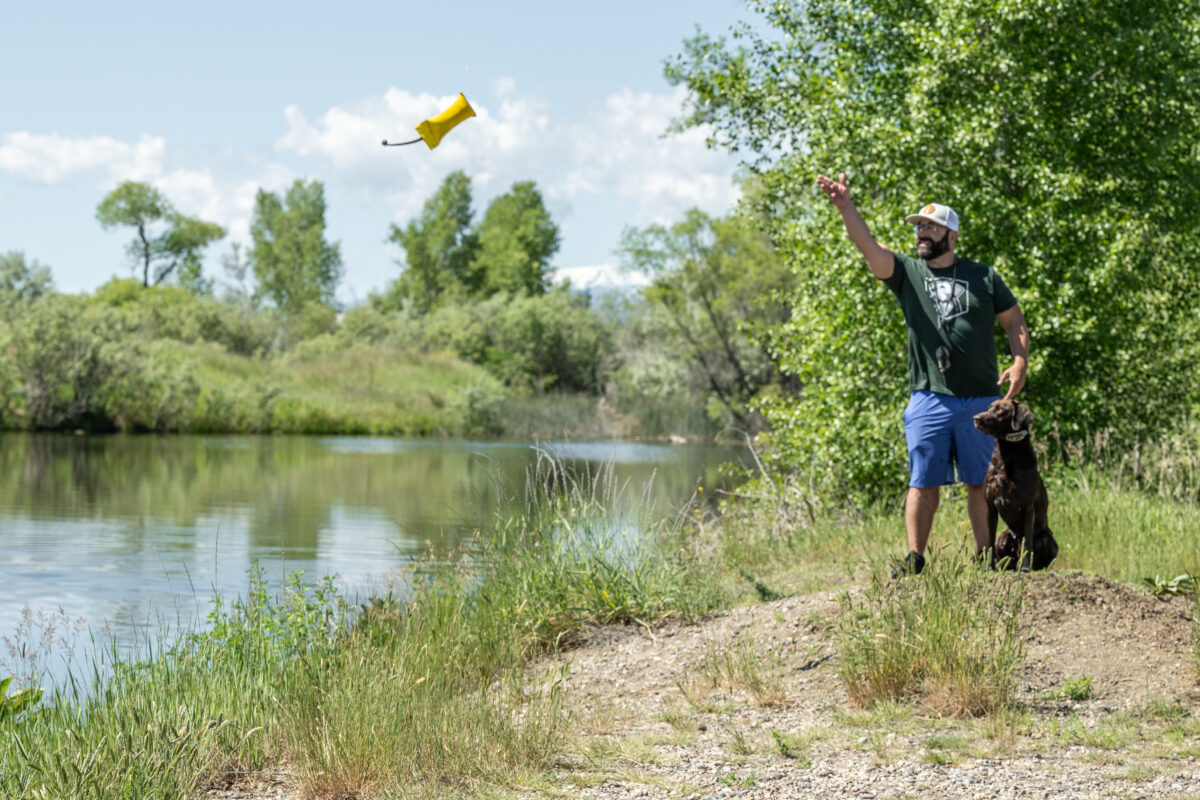
Feeling Overwhelmed Training Your Retriever? Follow These Helpful Hints to Follow the Path to Success
Story & Photos By Mike Clingan
We all have expectations of what we want our hunting dog’s skillset to look like when we start training them as a puppy. I’d like to share some key points that I have learned in the journey with my first Labrador retriever, Crosby.
Crosby was born October 21, 2019, and came into our home right after Christmas. I had expectations of hunting over him in the fall of 2020, and I wanted to train him myself, so you can imagine the sense of urgency on teaching him all of the skills he needed to be ready. I’m happy to say that we accomplished that goal, with Crosby retrieving nearly 300 birds his first season. Now I don’t want you to think I had a finished retriever that fall, as Crosby only returned marked retrieves the entire first season, but I made sure his steadiness was paramount. The next spring we got back to training and he learned blind retrieves and casting, and we’ve been having the time our lives since then!
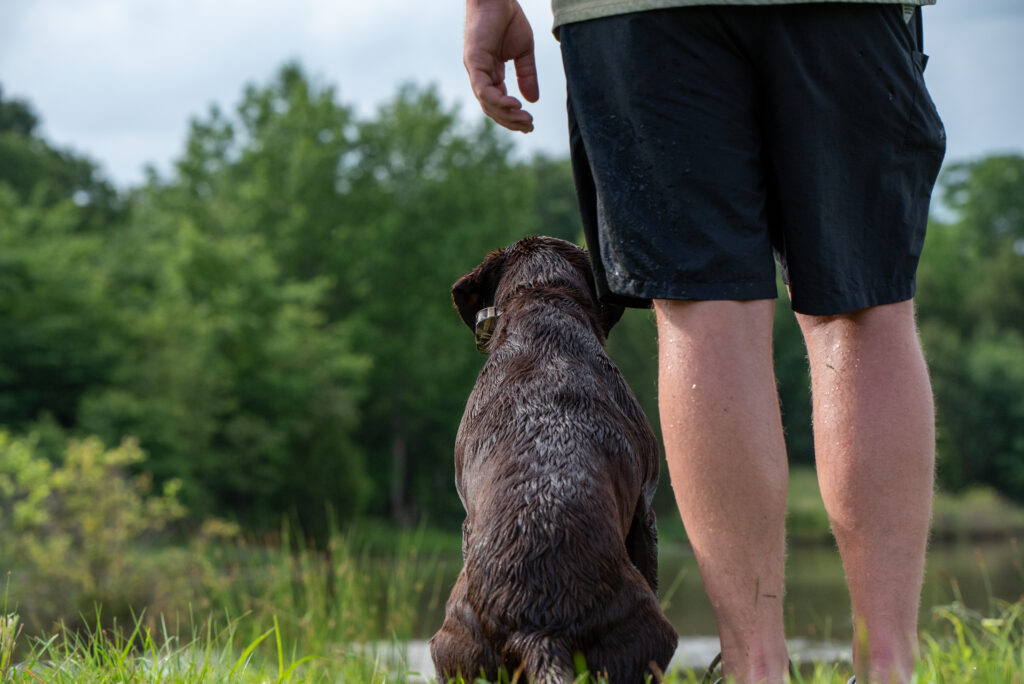
I have definitely learned a lot of things on this adventure into dog training, and with some self-reflection I have identified areas of improvements that I will need to make with the training of my next puppy. If you keep the following points in mind, I’m confident it will greatly benefit the training of your first or next puppy, too.
Have a Plan and Stick to It
There’s a plethora of options and information about retriever training available at your fingertips. A lot of it is really good information, but whatever you choose, you need a solid plan to get your puppy from point A to point Z. Not having a plan is a surefire way of failing to get the most out of your hunting dog.
I was fortunate to have found Cornerstone Gundog Academy (CGA), an app-based retriever training program that teaches the art of retriever training through instructional videos and lesson plans. I found CGA to be so thorough, that almost anyone with basic comprehension skills can turn a puppy into a finished retriever. Better yet, it’s a self-paced program. You get to watch videos of CGA Co-founder Josh Parvin, teaching his yellow Lab puppy, Violet, the exact skills you’ll be teaching your puppy. Violet is learning these skills for the first time in these videos, so you get to see exactly the types of things that can and will happen with your puppy—it’s not glorified perfection, it’s real-world situational instruction. CGA progressively builds on the skills taught in previous lessons and when you can check all of the boxes that your puppy has mastered a skill, you move on to the next skill. From basic obedience like sit, stay, and recall, to place training, whistle sits, casts, and blind retrieves, the program teaches you how to train your retriever to do it all. I can’t imagine where Crosby and I would be without CGA.
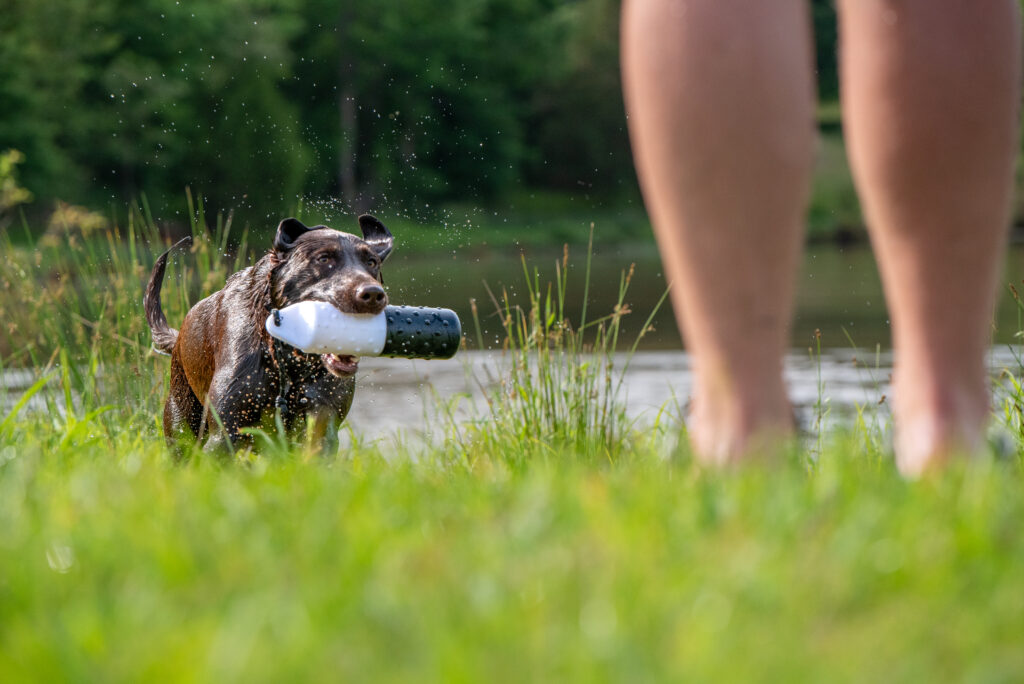
Nobody or nothing is infallible though, and we certainly hit our share of bumps in the road, just as Josh and Violet do in the instructional videos. The great thing about CGA is it teaches you how to be a good dog trainer and navigate these unexpected hurdles. The first major obstacle Crosby and I hit was training “fetch” and “hold.” I errantly gave too firm of a “No” command when Crosby unexpectedly dropped the bumper because I wasn’t prepared to take it from him. For what seemed like an eternity to me, the next several sessions Crosby had now associated that bumpers weren’t a good thing. My lack of experience and frustration compounded matters. Fortunately, I found a workaround by using a wooden dowel to teach the skill and when we went back to bumpers, he had forgotten about the negative experience, and a crisis was averted! In hindsight, most of this issue was due to my inexperience as a trainer. It took us nearly six weeks to get though the problem, and I can see how a person with less determination might just give up and settle for less than what they hoped for in their retriever. I’m so glad that I stuck to the plan and didn’t give up.
Looking back now, my self-imposed deadline of having a huntable retriever for that first fall put so much extra pressure on myself and ultimately Crosby, but we stuck to the plan and got through it. This takes me to my next piece of advice.
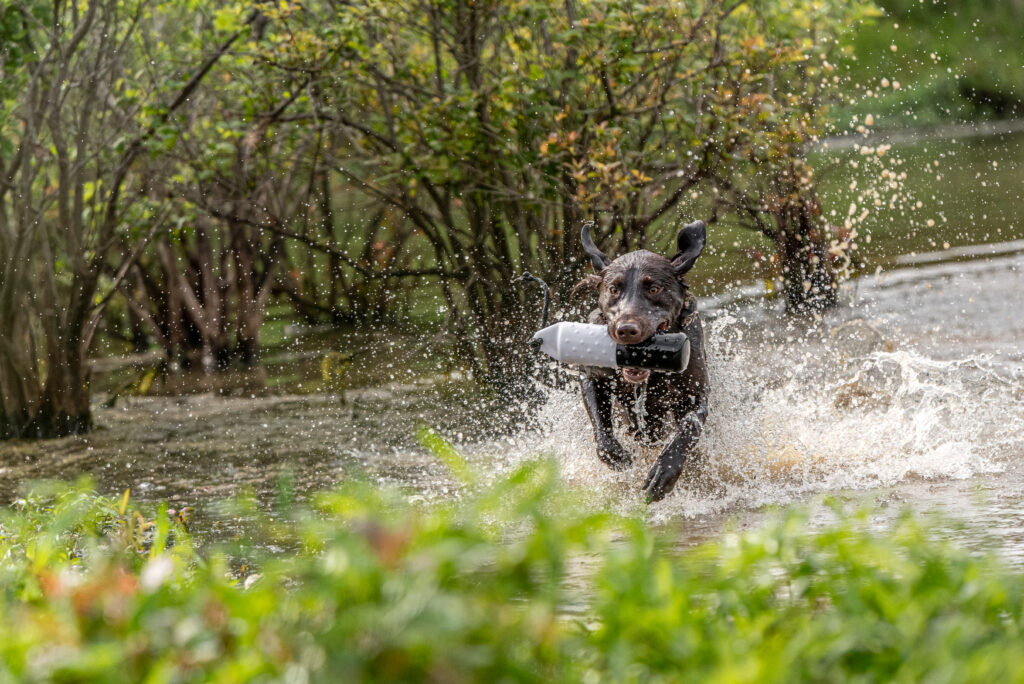
Slow Down
Hopefully, your canine companion will be in your life for a long time. It is important to recognize that during those first few years what they are taught and allowed to get away with will set the tone for how they act for the rest of their lives.
While I was aggressive on the amount of training sessions we were doing to advance through the program, one area in particular where I wish I would have slowed down, was leash training. Crosby was going to be a hunting dog and since we live in a rural area, I didn’t foresee him being on a leash very often. When I thought that he had mastered the skill well enough, we simply moved on to the next skill. In hindsight, I clearly hadn’t thought about how Crosby would go just about everywhere with me the rest of his life, and that would be a skillset he needed. If I would have just taken more time mastering the leash training early on, I wouldn’t still be trying to train out bad habits. Remember, a small investment in training on the front end makes the long game so much more enjoyable.
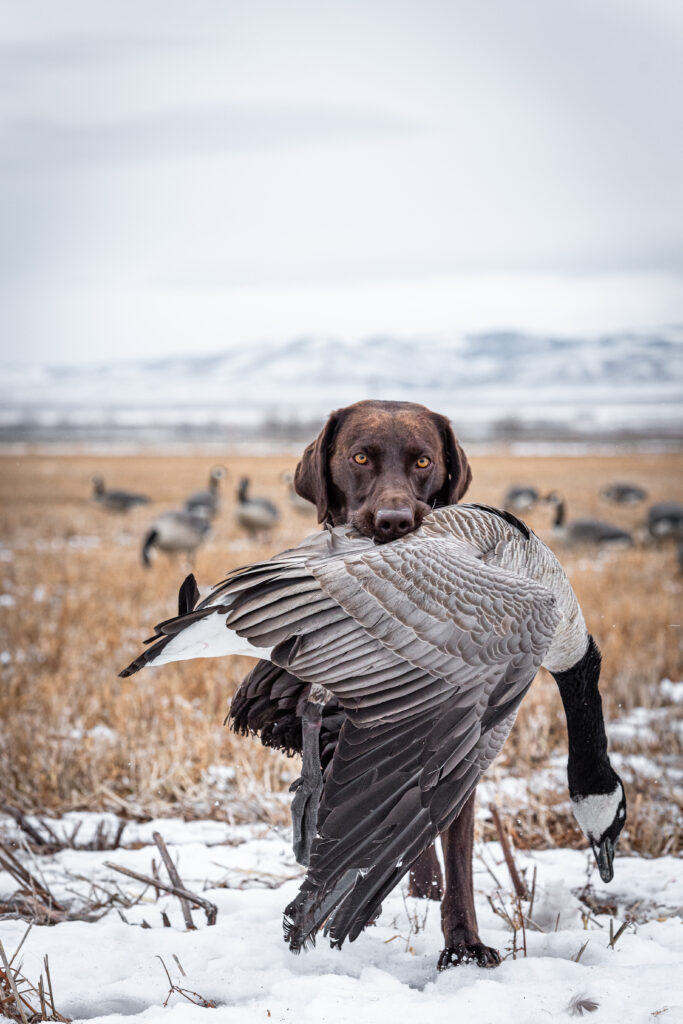
Your retriever isn’t always going to do what you’re expecting them to do, and when this happens you need to evaluate where you failed in their training. You read that right, where YOU failed them! Most often it’s because you tried to progress too quickly. Retained skills are very much location based; a dog needs to perform the same skills in multiple places for it to really set in. The term for teaching skills in different places is called “generalization,” and is often overlooked. Most handlers train in the same spot out of convenience or necessity, and when they take their dog somewhere new and try to run a drill they seemingly mastered in their normal training spot, the wheels oftentimes fall off the bus in the new location. If you’re not prepared on how to handle this, you can damage your relationship with your pup. It’s important to not get frustrated, but rather to slow down, shorten things up, take a step back, re-master the skill in the new location, and then take baby steps forward.
I can’t emphasize enough how important it is to not rush the training process—all good things take time! It’s also so much easier to teach the correct behaviors than to train out bad habits. An extra week or two or even a month to master any skill is just a small blip of time in the grand scheme of things. Remember that some praise and rewarding your pups’ success goes a long way to building a great bond.
Patience
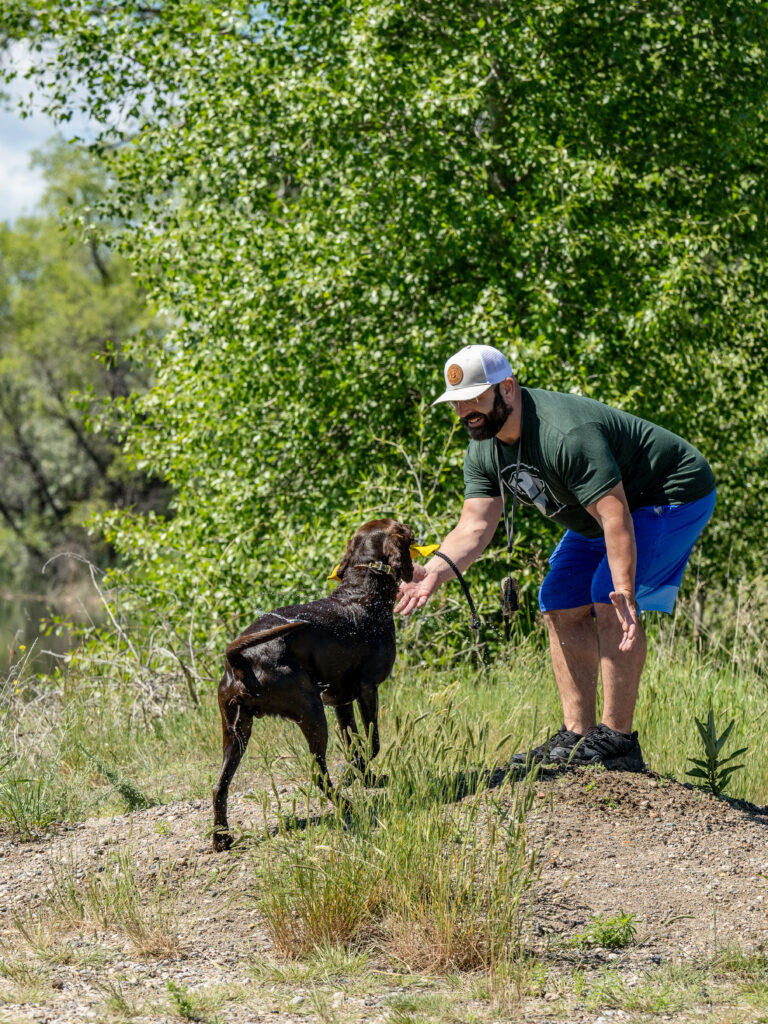
Teaching your dog patience will surely test your own patience, but it is a skill that you will never regret having spent time on. You can start by making your pup wait to be released to eat their food, and progress to never letting them go through a door without first sitting before being released. Crosby received more denial bumpers than retrieves when he was introduced to retrieving which made the bumpers he got to retrieve that much more valuable. This training made him as steady as a rock until released, which means I don’t have to worry about him breaking and putting himself in danger on a hunt. When you start understanding the intricacies of dog training, it is the ultimate teacher of self-patience and self-reflection. A retriever’s wins and failures are a direct representation of their trainer.
As a trainer you need to always remain patient with your canine companion. If you lose your patience with them, it will erode the level of trust they have for you, their leader. Canines are creatures of habit and they get used to what your normal interactions are with them. If you lose your cool by yelling, tugging on the leash too hard, or even displaying frustrated body language, they will pick up on it and it will negatively affect your training. Having an even keel in the face of adversity will help keep your training and relationship on track.
Build From Here
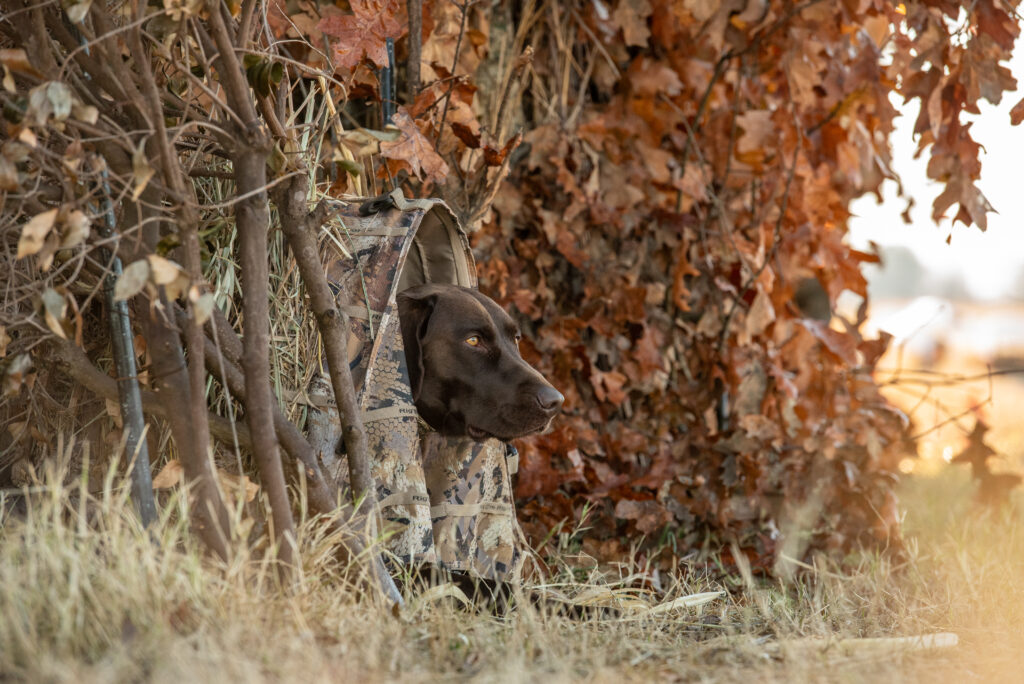
Eventually, you’re going to put all of the training to work and hunt your dog. Ideally, everything goes as planned, but more than likely, you’ll find areas that need more work. Make note of what your dog excelled at and celebrate those wins, and revisit the areas where they struggled and need improvement. Figure out a way to replicate those situations in training and work on them. It’s best if you simplify the task at first, and as they master the skill, gradually make it more difficult. Ignoring problems and thinking that your dog will eventually figure it out isn’t a good idea. Every skill that you and your dog master together are building blocks. If you form all of those blocks properly and stack them together over the course of several years, you’ll have built a dog that you’re proud of and does everything that you want.
I mentioned earlier that in Crosby’s first season he had no training on blind retrieves, so everything was a marked retrieve. If I wasn’t certain that he had a mark on a bird, I’d walk him out until I knew he saw it and then I would line him out on the bird. Yes, it was inconvenient, but in doing this, Crosby didn’t have the chance to develop bad habits or lose the trust we had built together by me asking him to do something neither of us were ready for. The next spring, I taught him blind retrieves and casting, and by the end of summer we finished our CGA training. During Crosby’s second season he was doing everything I ever wanted in a dog!
Enjoy What You Have Built Together
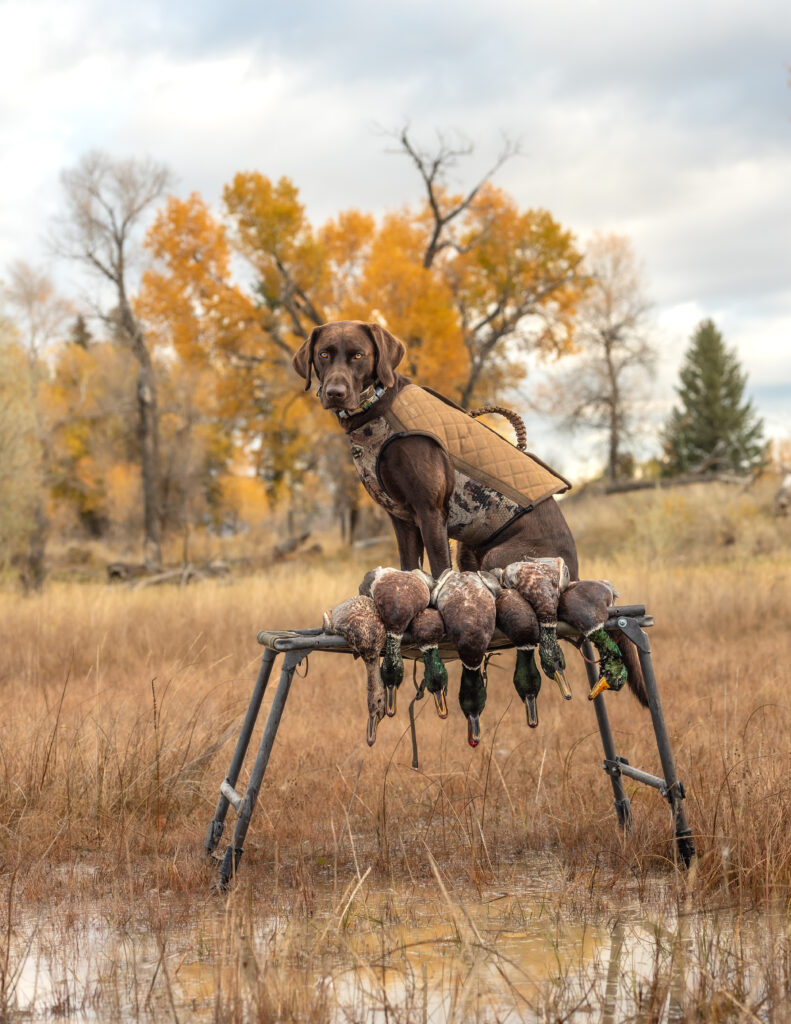
Crosby loves to work and I love to watch him work. If you look at the time you spend training your pup as an investment, those efforts will pay dividends of years of happiness for both of you. You’ll be proud when others compliment your dog’s behavior, skills, and drive—as you should be! A dog is only in your life for a short time, but you are their entire life, and it’s your obligation to give them the best life possible. Now, go make a plan, stick to it, and remember to slow down and be patient. I’m sure you’ll be happy with the results!