Deer Hunting With Hounds: A Southern Tradition


Let’s Explore This Age-Old American Pastime and Bust Some of the Disparaging Myths Against It
By Austin Tomlin
I’ve rattled bucks straight to my tree in the hardwoods of Ohio, I’ve been twenty feet in a tree as a buck chases a doe into bow range, and I’ve seen the beauty of a quiet morning in the deer woods, but nothing gets my heart pumping like a pack of deer hounds breaking the early morning silence.
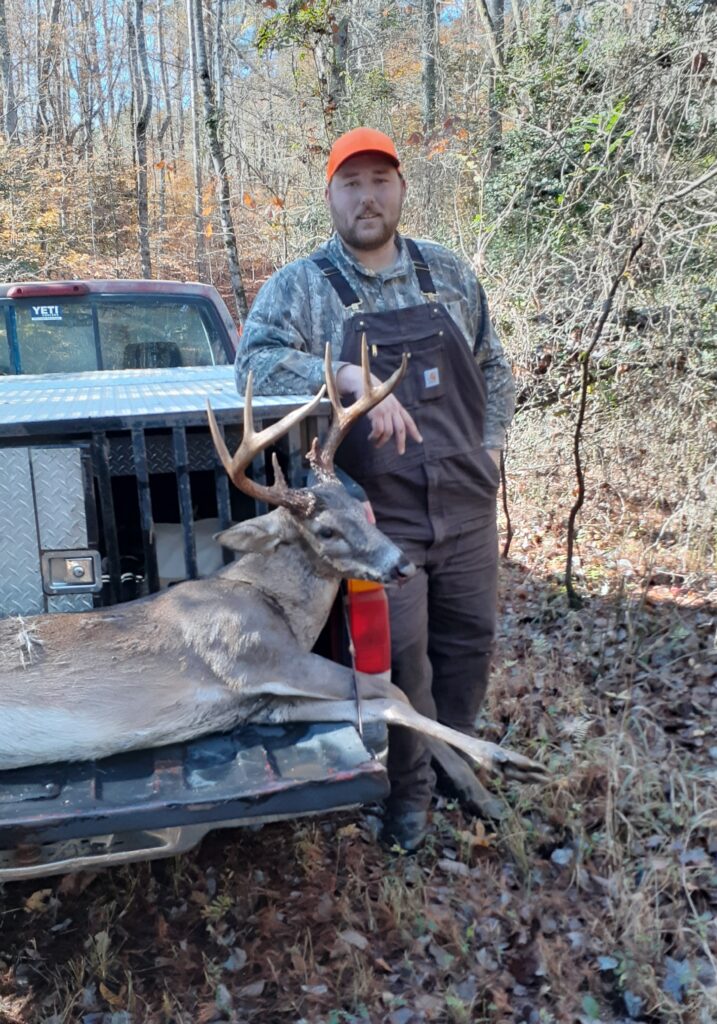
I grew up hunting deer with hounds in the swamp bottoms of southeastern Virginia, one of the nine remaining states who allow the tradition of deer hunting with hounds. When I was six years old, I harvested my first deer, a spike, in front of my father’s hounds, and I’ve been hooked on hound hunting ever since. Twenty years later, I still feel the same rush of adrenaline when I hear hoofbeats coming through the woods with a pack of hounds not far behind.
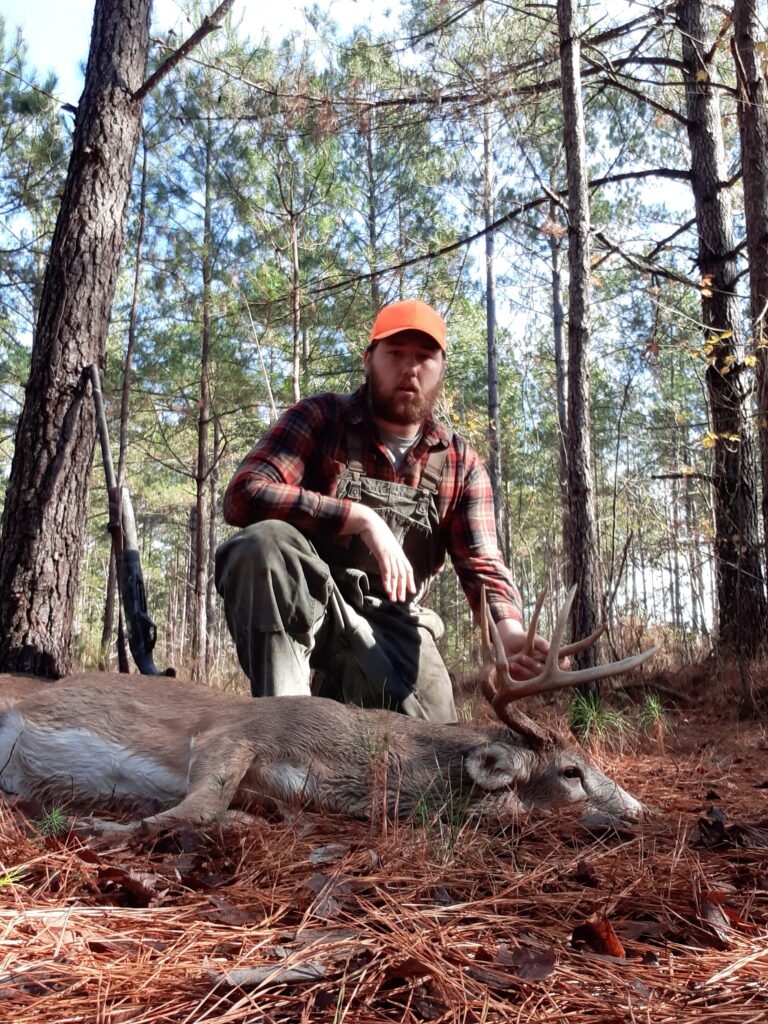
Deer hunting with dogs has been a way of life for me, but many people have never heard a pack of hounds hot on the trail of a whitetail. Even within the hound hunting community, it might be difficult to step outside of the Southeast and find someone who has been on a deer hunt with hounds. It’s not as common or as widely talked about as the other forms of hound hunting, and as a result, it is often misunderstood by those who have never been a part of it. Those misunderstandings have led to a number of disparaging myths surrounding the tradition of deer hunting with hounds, misconceptions shared within our hunting community and beyond.
If you’ve ever heard of deer hunting with hounds or had any meaningful conversation about this unique pursuit, especially with someone who has never experienced it, then I’m sure you’re familiar with these inflammatory fallacies and understand why they are harmful to the entire hunting dog community.
Deer Hunting With Hounds Myth #1: The Hounds Push Deer Straight to a Hunter
To start, many people think the hounds push a deer straight to a hunter. They might claim the deer has no chance because we know exactly where the deer is going and where to put hunters to get in front of the deer. Granted, it would be nice if that were the case, the truth is that we have no idea where the deer is going to go. Before the hunt begins, we make educated guesses based on past experiences as to where the deer will likely go, but we never know exactly where they will travel once they have a pack of hounds behind them.
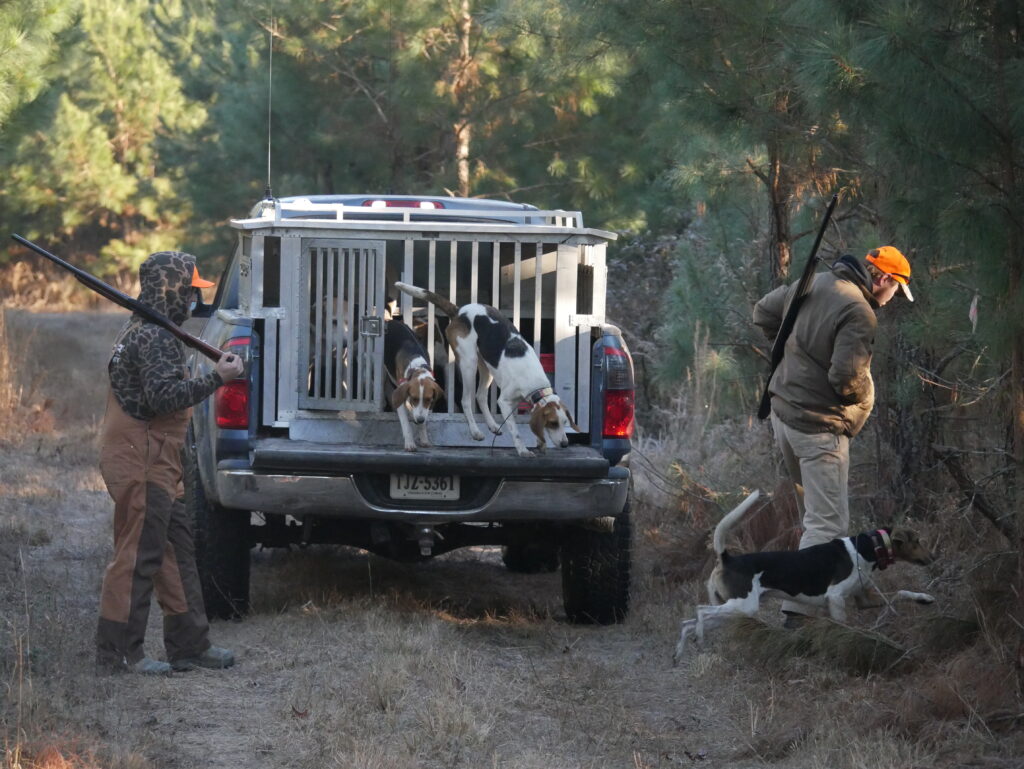
The idea that the deer doesn’t run straight to the hunters will make more sense once you have a foundational understanding of how most hunts are set up. Most people who hunt deer with hounds either hunt with a club or with a small group of other hunters. There are two role types in a deer hunt with hounds: the houndsmen and the standers. The houndsmen own the hounds, take care of and train their dogs year-round, and are primarily responsible for them during a hunt. Standers are placed in key areas where the group believes the deer are likely to run to. Before the hunt begins, the group decides where they are going to hunt based on the number of standers, houndsmen, and which hounds they have that day. Once an area is chosen to hunt, then the group decides where they are going to turn out hounds and where standers will be placed.
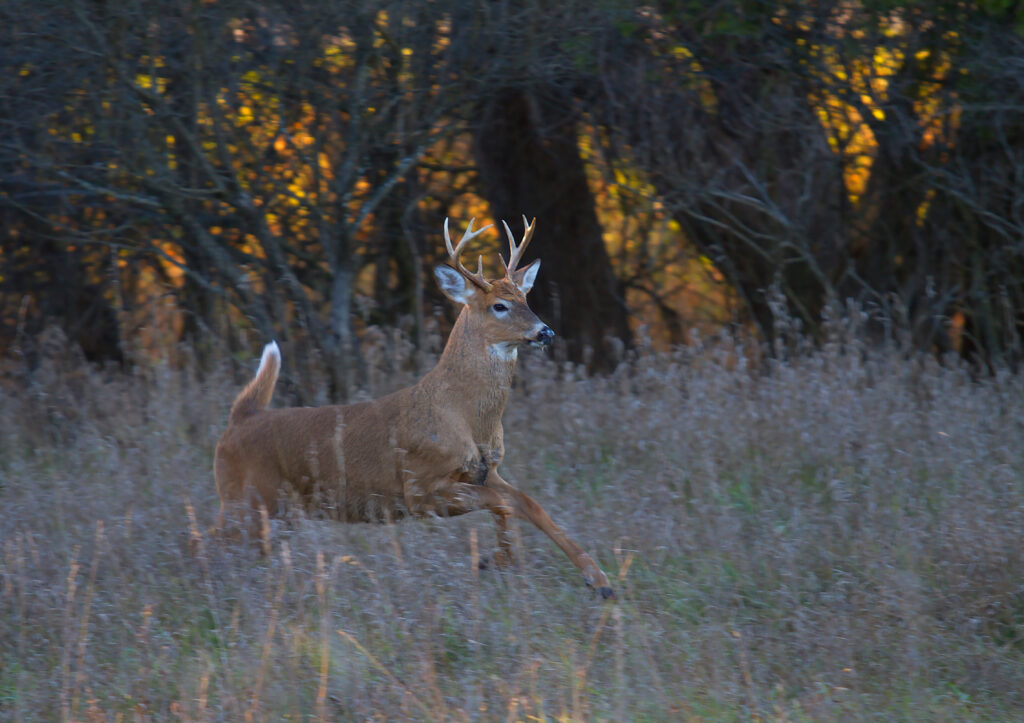
If this myth were true, then hunt clubs would know exactly where standers would need to be, however, it’s always an educated guess. Typically, standers will be placed at areas where experience suggests deer are likely to go once they are jumped by the hounds. This might be a natural funnel of hardwoods between two thickets, a swamp bottom, the back corner of a field, or a curve on a path where deer have been known to cross before. Oftentimes, hunting clubs have been hunting the same blocks of woods for fifty years or more, so the hunters have a better understanding of how and where the deer in that block run once they are jumped. This doesn’t mean those hunting clubs know exactly where the deer is going to go. They might have seen fifty bucks cross the back left corner of the same field over the last ten years, but that doesn’t mean number fifty-one is going to do the same thing. Sometimes we get lucky and the plan works out. Most of the time, the deer gets away because we just weren’t in the right place at the right time.
Deer Hunting With Hounds Myth #2: The Hounds Catch the Deer
If you have never been deer hunting with hounds, I can see how it would be easy to imagine a pack of hounds surrounding and killing a deer much like a pack of timber wolves surrounds a lone elk in the middle of a frozen lake. I can’t deny that, on occasion, the hounds will catch a deer, but this is a rarity in the deer woods. In my experience, our hounds might catch two or three deer per year, but those deer are almost always injured or unhealthy. I can remember only a handful of instances in my life where a healthy deer was caught by hounds—it just doesn’t happen very often.
In almost every chase, the hounds don’t even see the deer until it has already been shot and their job is done. Sometimes, the deer will be five or ten minutes ahead of the hounds. I’ve shot deer before that I didn’t think were being ran and then ten minutes later I heard dogs getting closer and closer, only to find out they are just way behind the deer I shot ten minutes ago. Other times, the hounds might be just a couple hundred yards behind the deer. Either way, if the deer is healthy, the hounds are likely not catching up to them.
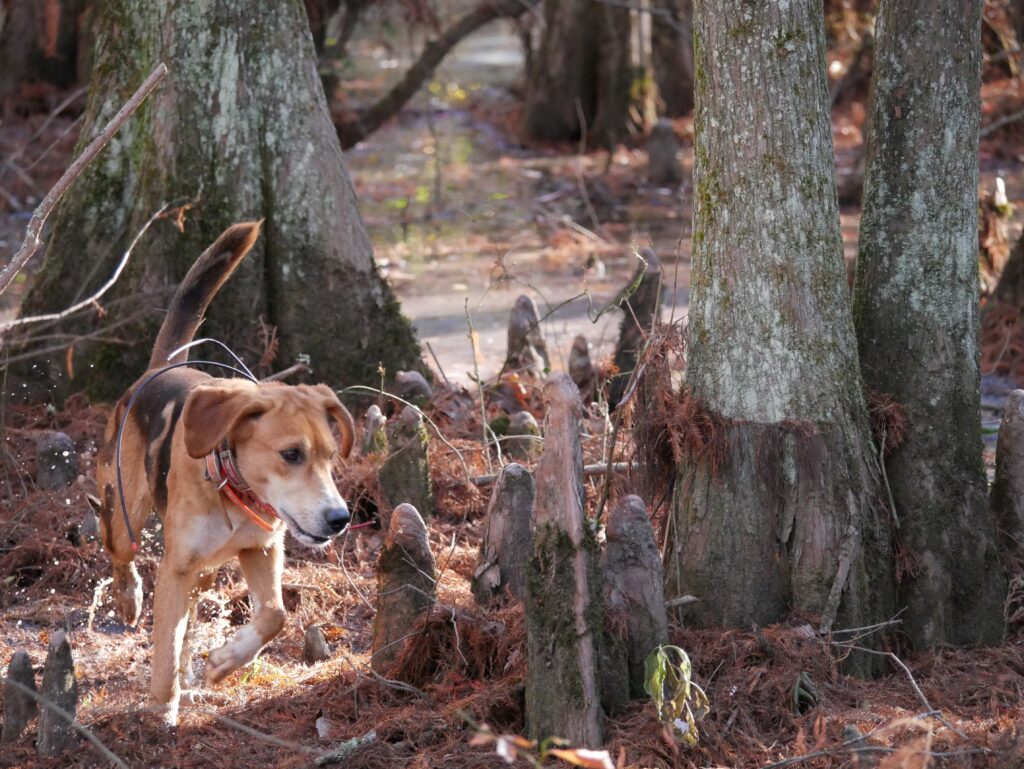
Deer Hunting With Hounds Myth #3: Deer are Chased Out of an Area and Never Return
One of the biggest misconceptions surrounding deer hunting with hounds is the belief that once a deer is chased out of an area, you can say goodbye to ever seeing that deer again. This is a big issue for those who focus on still hunting in areas surrounding hound hunting clubs. Understandably, still hunters don’t want hounds to run off a nice buck they’ve had on a trail camera all summer long. Some hunters see a hound on their cam and assume they might as well give up hunting the rest of the year. Others might think that a pack of hounds will force a nice buck to permanently relocate, but in my experience, this just isn’t the case.
Over the years, I’ve seen numerous bucks run out of a block only to be seen in a field in that same block eating soybeans the next night. Oftentimes, we will run the same buck multiple times in one year because the buck is an escape artist who continues to evade standers. Maybe the deer are accustomed to hounds in this area and have come to learn how to escape in a hurry and return to where they left just as quickly. That might be the case, but we can’t know for sure, however, I can tell you that most of the deer we run tend to come back from where they left, oftentimes in less than thirty minutes and still in front of the hounds that first jumped them.
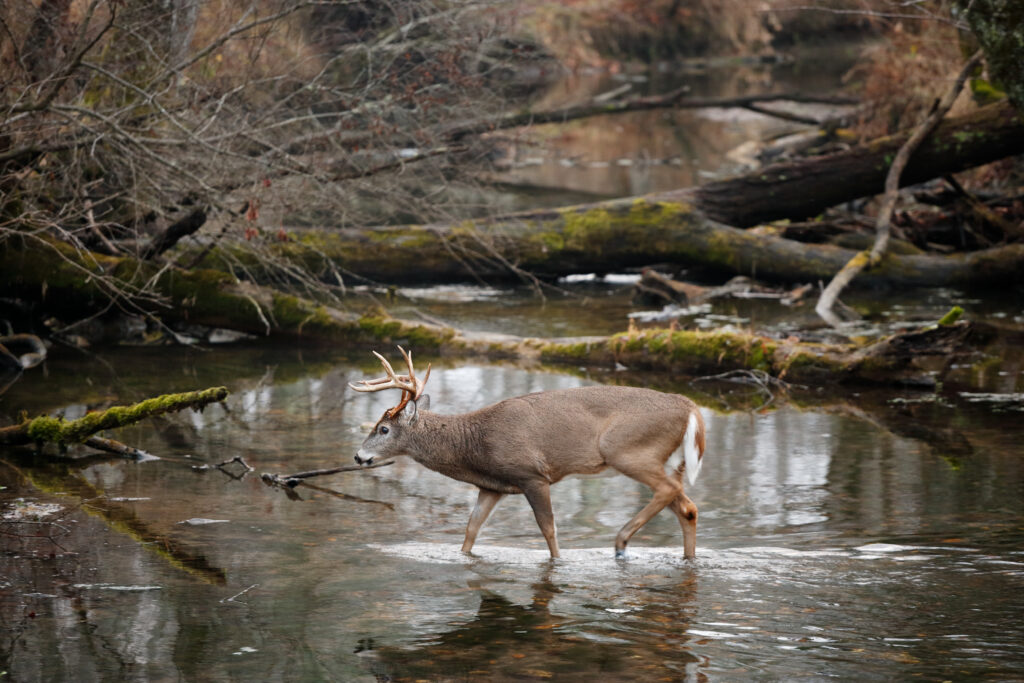
Setting the Record Straight
I have no problem calling out the myths as I hear them and providing insights from my own experiences and research, but I urge every one of you to be your own mythbuster. If my word is not enough to persuade you, then go out and experience a deer hunt with hounds. Go see for yourself if the dogs actually catch the deer or if the deer runs straight to the standers. It’s hard to fully understand this tradition and how it works without experiencing it for yourself.
For those who won’t have the opportunity or just want to have a more accurate understanding and appreciation of this unique pastime, I published a book in 2023 titled, Deer Hunting With Hounds: A Southern Tradition. The book provides an in-depth explanation of how deer hunting with hounds works with the goal of clarifying common misconceptions and providing readers with a better understanding of the tradition that so many in the Southeast enjoy. In the book, I dedicate a whole chapter to explaining, in detail, what a typical day of deer hunting with hounds looks like in southeast Virginia. The rest of the book is dedicated to common misconceptions and issues surrounding deer hunting with hounds, and in those chapters, readers can find multiple studies and sources supporting my experiences laid out in this article and in the book.
Deer hunting with hounds is something I think every hunting dog owner and whitetail enthusiast should experience at least once in their life. Don’t let these falsehoods discourage you from at least giving it a try. If nothing else, now you can refute these myths and speak some truth to the matter anytime you hear someone try to slander using dogs to hunt deer. It might not be for everybody, but those who try it will see many of the negative beliefs surround deer hunting with hounds for what they really are—myths.