How To Properly Store Wild Game Meat

Follow These Simple Steps to Ensure You’re Able to Savor the Taste of Succes
Story & Photos By Jenny Nguyen-Wheatley
Hunting for food isn’t cheap. Figure in travel expenses, permits and fees, equipment and time—few hunters can actually say that the cost of game meat is more economical than buying food at the grocery store. Even so, we all know that’s not the point. When we hunt, we are also paid in breathtaking sunrises, sunsets, and priceless moments afield. And when we sit down to enjoy meat that we hunted for ourselves at the table, we get to experience the sweetness of success a second time.
So, what is more disappointing than taking the first bite of pheasant, venison, or mallard, only to dread the next mouthful? After all that effort, time, and money, this is not how you imagined your hard-earned fruits would taste. Why is the meat dry and spongey in some areas? Where is that musty, stale flavor coming from? Come to think of it, the meat did look oddly gray after you fished it out of the milk jug of melted ice water that took three days to thaw. That’s how Uncle Al always done it.
Your spouse decided long ago that they didn’t want anything to do with the animals you dragged home. And your children are growing increasingly wary. Bring up the frozen pizza: The universal white flag for “dinner is ruined.”
While there are many ways to ruin dinner—wild game or not—there are variables that make DIY meat-getting tricky. It might not be your cooking that’s at fault, at least not entirely. Rather, it could be the way you’re handling game in the field and storing it in the deep freeze.
Keep It Cold
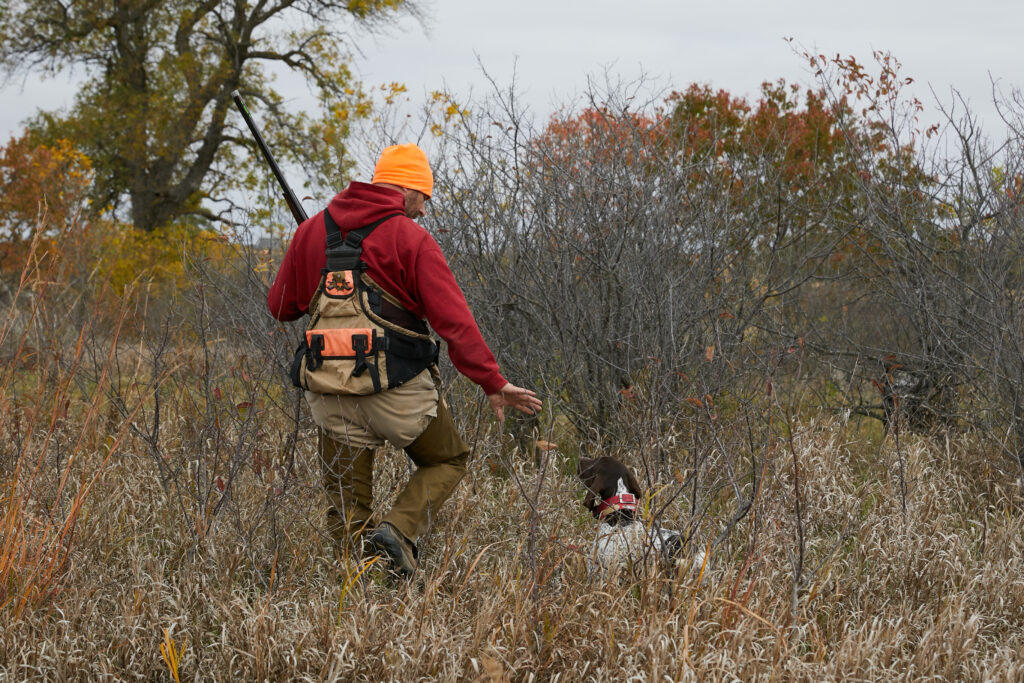
Temperature is your number one priority. Warm conditions greatly impact darker-meat birds like waterfowl and prairie grouse, and also big game, causing unpleasant flavors—often described as “livery.” Once an animal goes down—as soon as it’s safe to approach—get it cooled as quickly as possible. Deer should be field dressed to release heat from the body cavity and birds should go inside a cooler with ice, which will protect meat from sun, dirt, and pests in the back of your truck, especially if you have far to travel.
Archery hunters who have to track big game earlier in the season will have to make smart choices. If it’s 80 degrees with 30 minutes of shooting time before dark and you’re faced with a tricky shot, think twice about taking it.
Caring for Meat in the Field
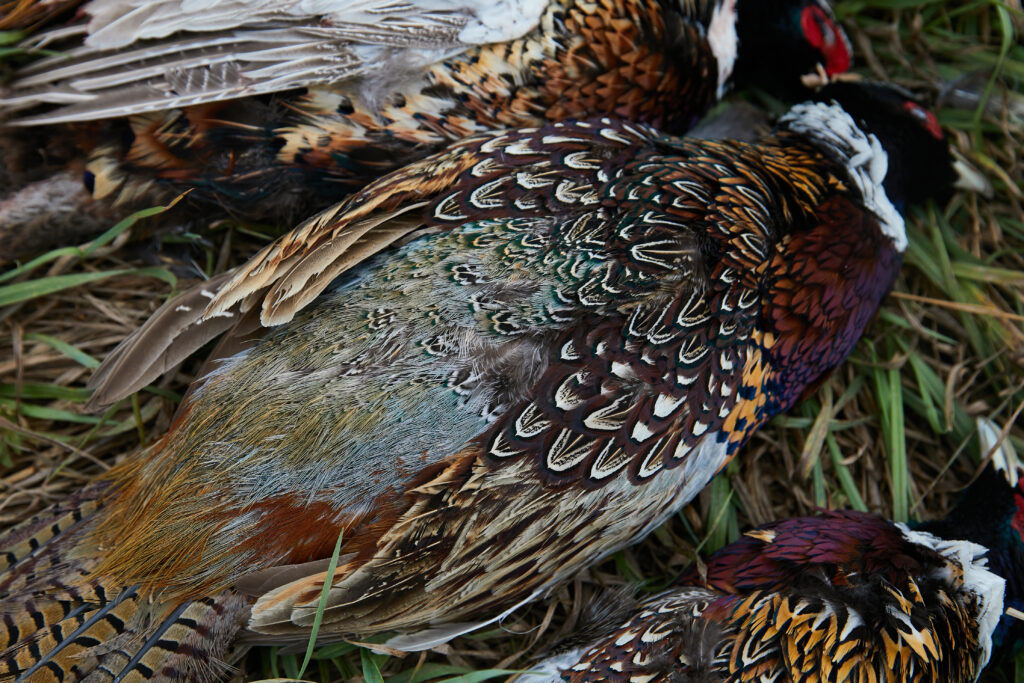
When traveling far, gut or quarter larger birds like wild turkey and geese to err on the side of caution. The larger the animal, the more heat they will retain. Geese, with their large bodies and insulating down feathers can stay warm for long periods of time, especially if you’re forced to pile them together in a small space in your vehicle. When weather allows, I prefer to bring deer home with the hide intact so I can hang it to age in my garage. In warm weather, I might be forced to quarter deer and stick the pieces inside a cooler.
A note to deer hunters: Be aware of where the tarsal glands are located on a deer’s hind legs when field-dressing. Make sure you don’t cut into this stinky gland, and more importantly, don’t use the same knife to continue on cutting meat. The bacteria in these glands will taint venison and affect its flavor. Clean your knife often or use multiple knives to avoid cross contamination.
When using ice in a cooler, keep game meat dry. Never let un-gutted birds or exposed raw meat sit in water for long periods of time, which promotes the growth of bacteria. Soaked meat will also discolor and become mushy. Instead, wrap meat in clean trash bags or zip-top bags and set them on top of ice. If you don’t have bags, allow melted ice water to drain often.
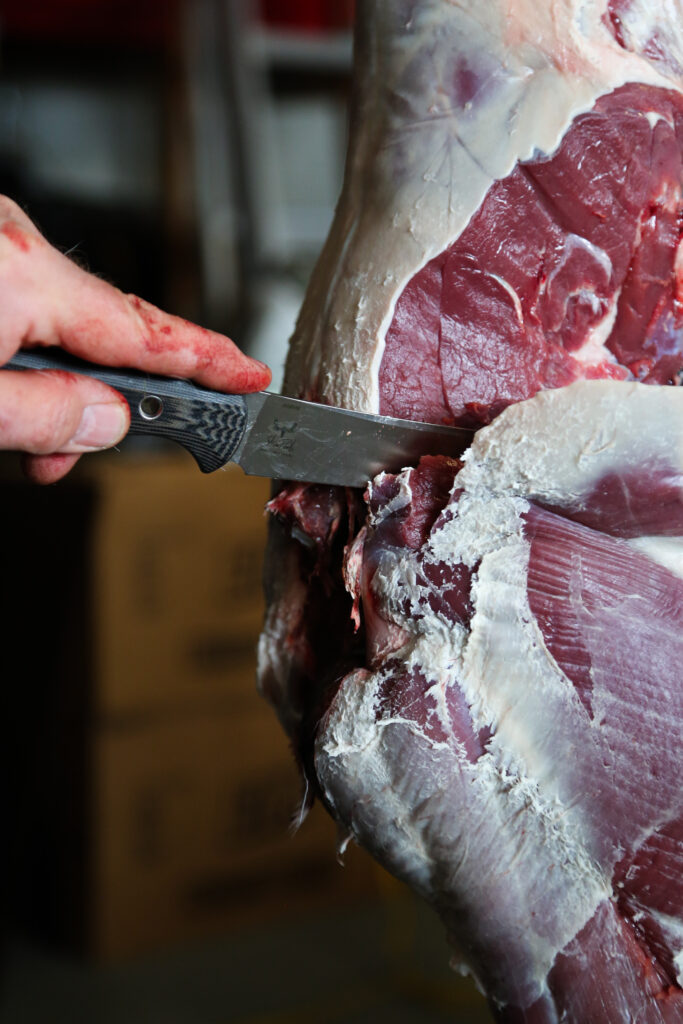
Rest Time
Hanging upland birds, waterfowl, and big game animals will improve their tenderness. Let upland birds and smaller waterfowl rest—with guts and feathers intact—in a cool environment, such as a refrigerator, for one to three days at 32-40 degrees Fahrenheit. This gives rigor mortis time to pass—when leg joints lose stiffness, you know the muscles have relaxed. This rest time will also allow the skin of upland birds to resist tearing if you plan on plucking them. Geese should be gutted prior to hanging.
If conditions allow, I prefer to hang deer in my cold garage for at least a week—but keep an eye on temperature fluctuations. If you see mold, wipe it off with paper towels soaked with vinegar. If conditions worsen, butcher immediately and freeze. Those who have access to a walk-in refrigerator will have more control over temperature and humidity.
Storage Dos and Don’ts
Freezer burn is a major culprit that can degrade the quality and flavor of meat. When exposed to the cold dry air in your freezer, moisture gets pulled from meat, forming ice crystals on the surface. Those areas will become dry, porous, and leathery. While freezer-burned meat is still safe to consume, it is not pleasant to eat. The best long-term storage solution for wild game is the one that slows freezer burn the longest.
Vacuum sealing meat is the most effective method for preserving your hard-earned wild game long term. I’ve eaten meat that has sat in the bottom of my freezer for as long as three years, and if the seal held up, the meat can taste just as good as the day I packed it.
A word of caution: Don’t vacuum seal wet meat, which will compromise your machine’s ability to effectively remove air from the bag and create a tight seal. If working with a small amount of game, simply pat meat completely dry with paper towels. If you have to wash a larger amount of meat to remove stray feathers or fur, be ready to make room in your refrigerator. Lay meat in one layer on top of cooling rack(s) inside rimmed baking sheet(s) for air flow and to catch dripping, and then refrigerate overnight uncovered. The cold, dry area in your refrigerator will do a nice job of pulling excess moisture from the surface of meat.
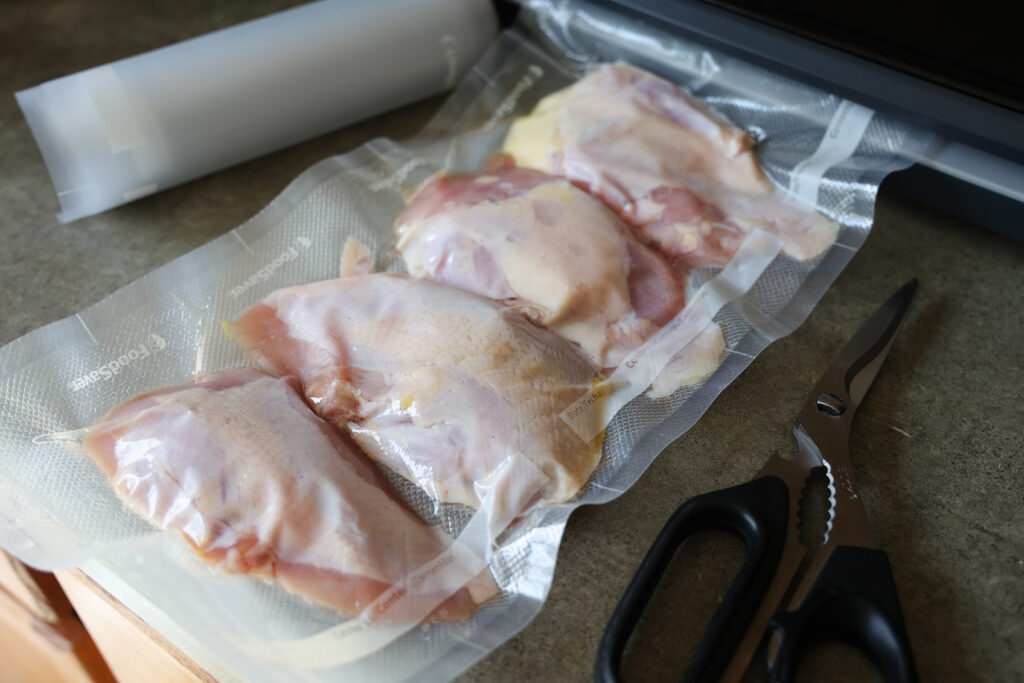
If a vacuum sealer isn’t in the cards, wrap meat in plastic wrap and then with butcher paper. While more economical, the downside is a much shorter shelf life; consume meat frozen in butcher paper within six months. The combination of wrapping meat in plastic wrap and butcher paper can slow down freezer burn, but not for long.
Do quarter game birds if using butcher paper, and pack the pieces tightly before wrapping. Butcher paper is not ideal for wrapping whole game birds with uneven shapes, which won’t seal tightly, making freezer burn a guarantee.
Don’t freeze meat in water. This old-school technique can compromise the texture of meat, often making wild game mushy. It can also introduce flavor and sanitation issues. Thawing a block of meat and water can take days—while parts of the meat are still thawing, the exposed parts are introduced to air and bacteria. Also, bad-tasting tap or well water could also compromise the flavor of meat.
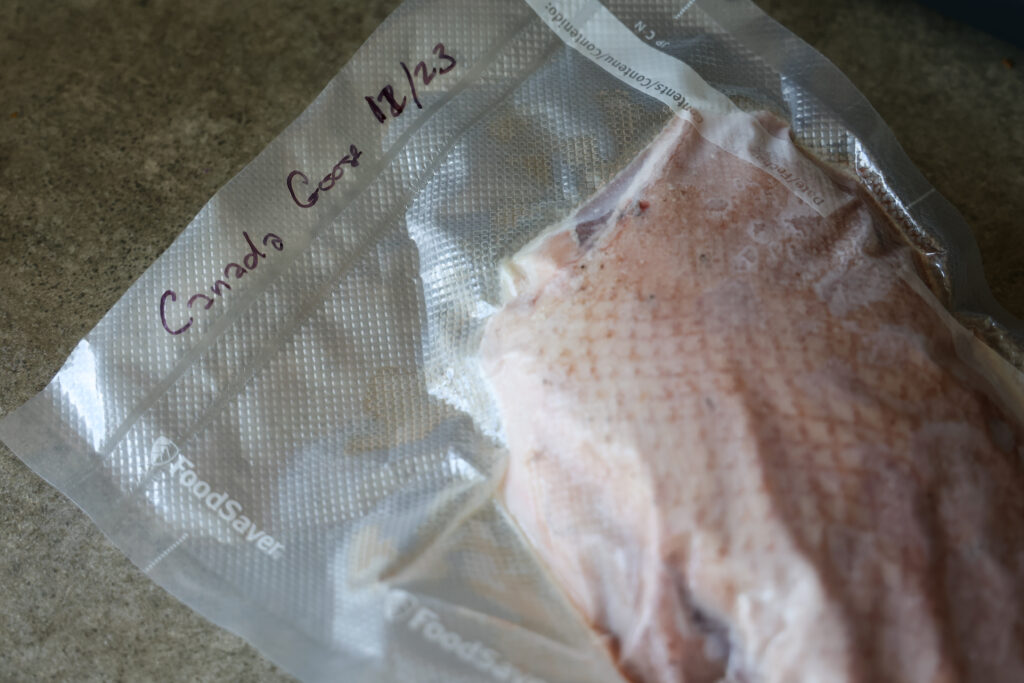
Keep Inventory
Part of being a responsible hunter is to eat what you kill, and keeping inventory of what you have left to eat before the start of a new hunting season is part of the deal. Although it happens to all of us from time to time, don’t make a habit of allowing meat to languish away in the darker, faraway parts of your chest freezer. Make a point to go through your freezer a few times a year.
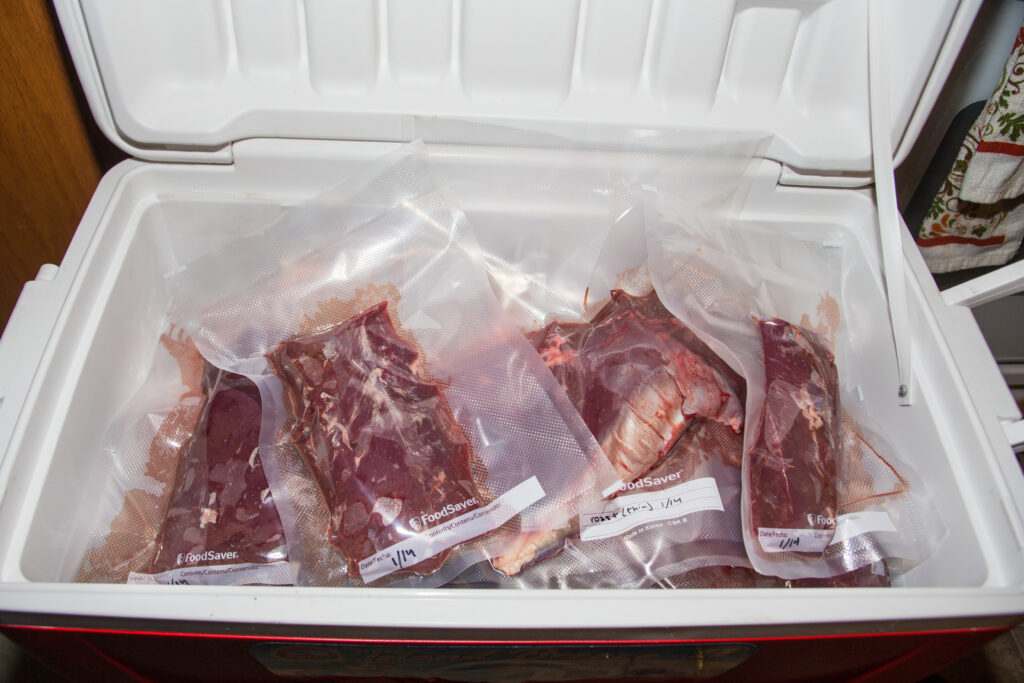
These freezer checks allow me to use up meat in a timely manner, ensuring that I’m eating up game meat at their best—eat what is older first. One good way to keep track of what you have left, without the repeated hassle of pulling everything out of the chest freezer to look, is by keeping a tally using a magnetic dry erase board that can stick to the exterior of the freezer.
These checks are also opportunities to inspect packaging. Occasionally, vacuum sealed bags do fail, and it’s better to catch freezer burn before it becomes widespread. When I do find a failed bag, I either reseal it in a new bag or try to eat whatever is in that bag sooner than later.
To cook great food, you need great ingredients—and it all starts in the field. The way you care for wild game, from the moment it’s harvested to when it hits your plate, will determine whether you enjoy a delicious meal or face another dinner disaster.