Breaking Into Beagling

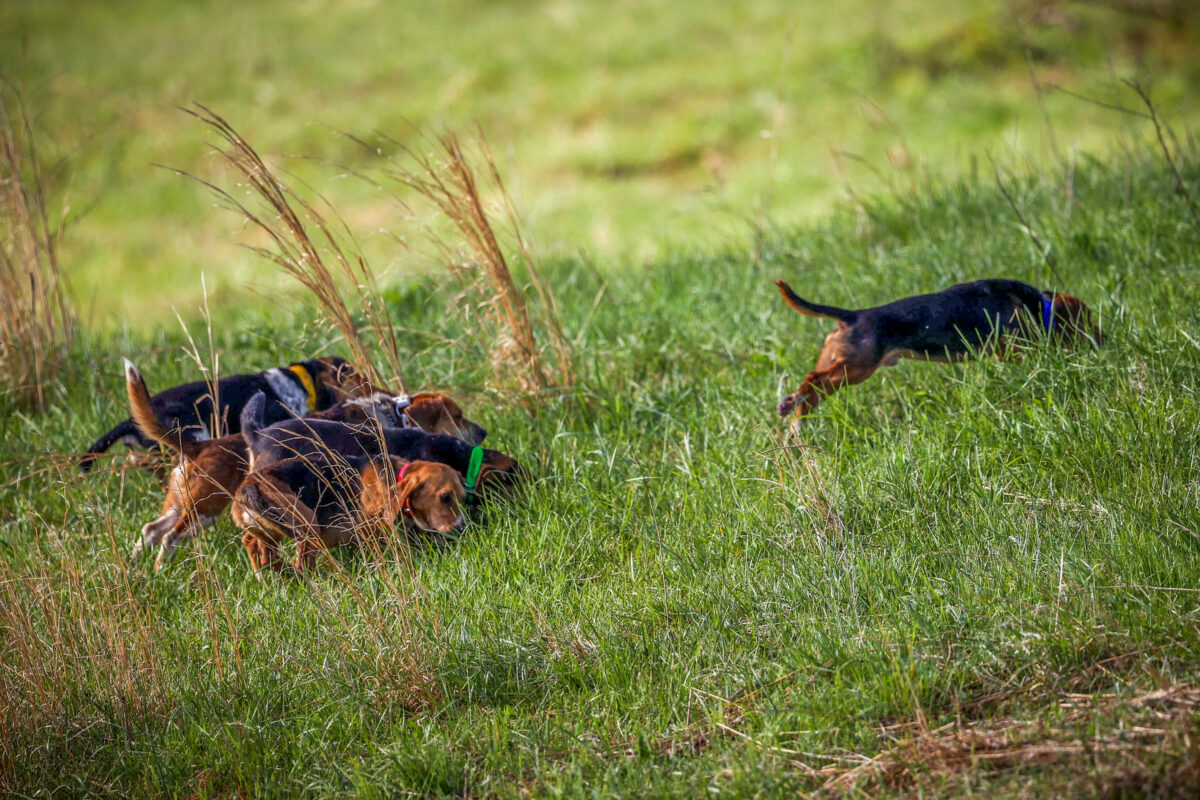
Listening to a Pack of Beagles in Hot Pursuit of a Rabbit is a Thrill Every Hunter Should Experience.
Story By Brad Fitzpatrick
I didn’t choose my first hunting beagle. On the contrary, he was a stray that chose to live at our house, and when it became clear that the little hound I’d named Casey wasn’t going to leave willingly, he became part of the family. And, in his own way, he became my beagle mentor.
Casey had a natural desire to run rabbits and did so for the weeks he spent living on our back porch. He hung around long enough to get me hooked on hunting beagles then he went on his way, but by the time he left I knew that I enjoyed chasing beagles. I bought my own beagle less than a year later from a hunter at our local beagle club, and less than a year after that I entered my first United Kennel Club (UKC) Hunting Beagle competition. That was over 30 years ago, and I still run rabbit hounds today
If you’ve never spent a November morning listening to a pack of beagles chase a cottontail, then you have missed out on one of hunting’s greatest experiences. Few dog breeds are more committed to the chase than a well-trained beagle, and the sound of a pack at full voice on the hot trail of a rabbit is one of life’s great joys. What’s more, beagles are hearty, happy family companions that are easy to maintain and simpler to train than retrievers or pointing dogs.
History of the Beagle
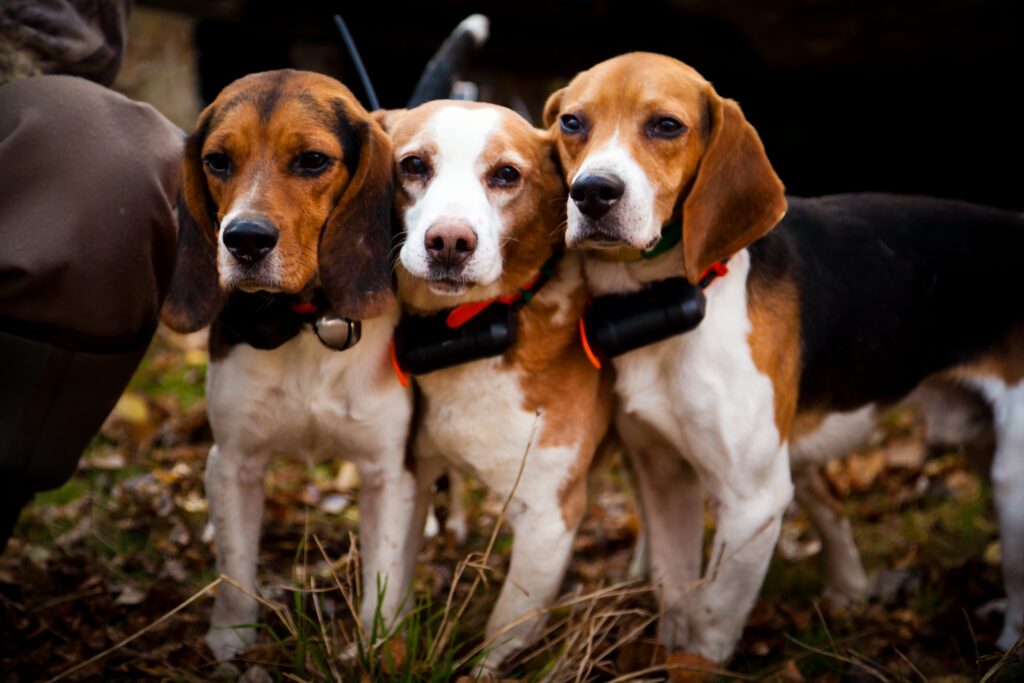
Small hunting dogs were bred to chase small game as far back as the fifth century BC in Greece, but the modern beagle breed originated in England in the early nineteenth century. These dogs carried the blood of the Talbot hound, a medium-sized breed that was white or tan and white that was used to hunt game in the Middle Ages in Europe. It’s likely the breed was also influenced by other small hounds of that period like the Harrier and the Southern hound, a breed that was used to course small game in England until it disappeared in the mid-1800s.
Shortly after the breed was established in England, beagles began being imported to the United States. In the 1870s, General Robert Rowett of Illinois established the first working beagle pack in America, and his dogs were used to develop the breed’s first standard. The vast majority of hunting beagles in the United States trace their ancestry to those early hounds that Rowett imported into the country.
In 1888, the National Beagle Club of America was formed, and since that time the beagle has remained one of the most popular dog breeds in the U.S. The standard separated beagles into 13- and 15-inch divisions and disqualified hounds that measured over 15-inches in height. In some breed registries, 13- and 15-inch beagles compete in separate categories at field trials, though dogs in both size categories compete against one another in the UKC Beagle program. In areas of dense brush, shorter beagles may have an advantage, while areas with deep snow may favor taller 15-inch hounds, but for most hunting applications beagles of both sizes perform equally well.
Hunting With Beagles: Where to Begin
Unless a beagle appears on your doorstep, you’ll likely have a different introduction to the sport than I did. However, I believe the best way to learn about beagles is to attend a UKC event. In most instances you’ll find that beaglers are eager to introduce new hunters to the sport and there’s a good chance you’ll be allowed to watch and follow along. Attending a competition will also help you network with beagle owners and breeders, and they will answer any questions you have about the breed. Most importantly, you’ll have an opportunity to see the dogs work in the field.
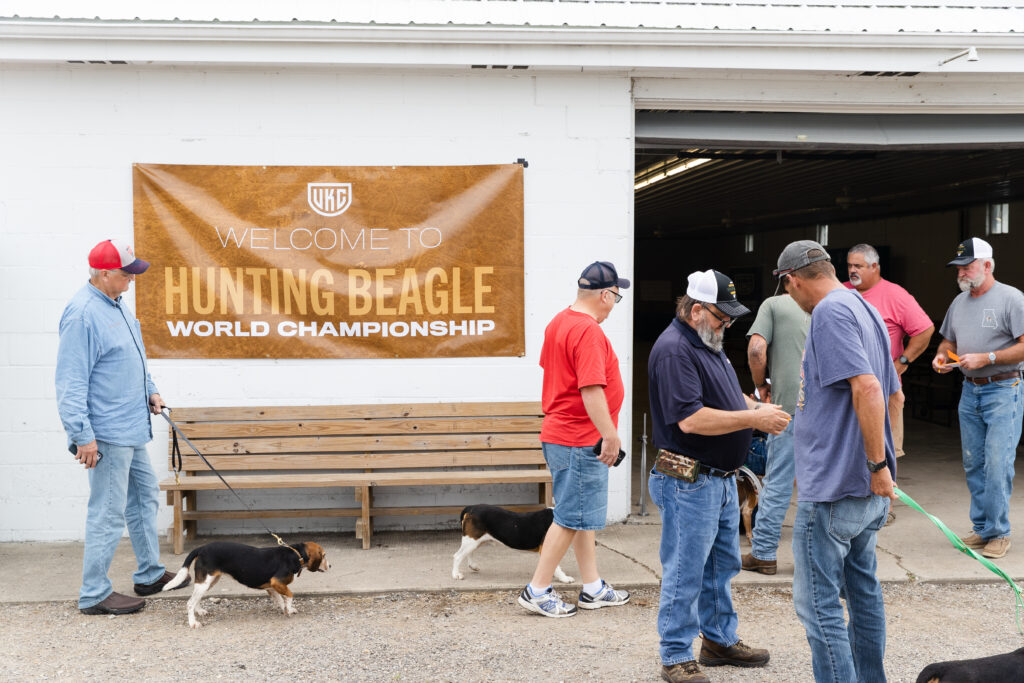
Once you’ve decided you’d like to own your own beagle, the connections you develop at competitions will become invaluable. First, you’ll have an opportunity to watch several hounds with different hunting styles and from different bloodlines work in the field. You’ll quickly decide which characteristics you prefer. Perhaps you want a very fast dog that pushes rabbits hard, or maybe you prefer a slower, more methodical hound that hunts close to the handler. By the time you attend a few field trials you’ll have a much better understanding of what to look for in a hound.
Hopefully you’ll also have developed some connections with nearby beaglers and you can purchase a pup or a started or finished hound. Buying a pup is where your network of experienced hunters will pay dividends. Beagles are pack animals, and most of these hounds learn by hunting with experienced dogs. If you know experienced handlers, it’s easy to meet and run dogs together, and generally speaking, a well-bred hound with good instincts will begin chasing rabbits with the pack after a few trips to the field. However, don’t lose hope if your dog doesn’t fall in line with the pack and begin chasing rabbits immediately. I’ve seen beagle pups that opened on their very first track, but I’ve also had dogs that don’t seem interested even after a few times out. I almost gave up on a female pup that didn’t join in with the other dogs after months of hunting, but eventually she began running rabbits and has developed into one of the best dogs that I own.
In many cases new beaglers will buy a started or finished dog, and this is the simplest (but more expensive) course of action. Once you have a dog that shows interest in running rabbits the key is to expose that dog to rabbits as often as possible. Spend several days a week running your hound for at least an hour a day unless the weather or temperature prohibit you from going. I find that many public land hunting areas in good rabbit country offer ample cover for cottontails, and you and your dog should spend time exploring these areas. The more tracks your hound runs the better prepared they will be for hunting season. Running rabbits also conditions your dogs and burns off some of the breed’s natural energy. A bored beagle is oftentimes a misbehaving beagle, so spending a few hours running provides an outlet for their pent-up energy and makes them a better companion in the home.
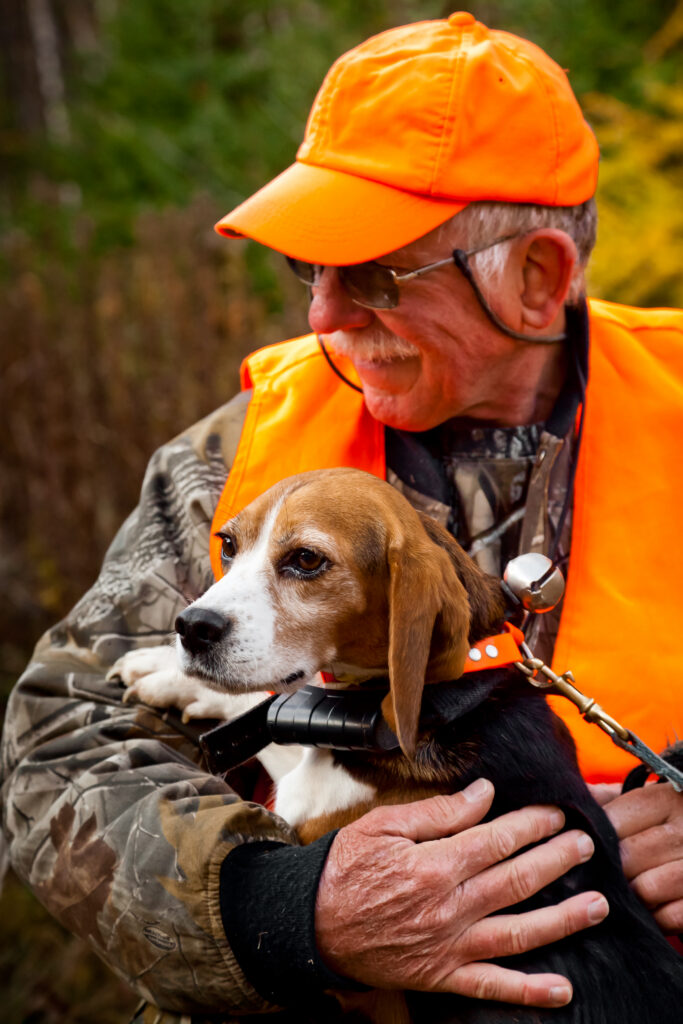
Beagles are naturally bred to chase game, but they don’t always know that rabbits are the desired quarry. After having owned beagles for thirty years, I believe that the original stray dog that showed up at our door all those years ago probably had a penchant for running deer, and doing so can be a nuisance for the hunter and poses serious risk to the dog. Some beagles seem to be naturally “trash-free,” but that’s not always the case. An encounter with a whitetail deer, housecat, fox, or even a skunk may prompt a chase, and that is a problem. As mentioned, a dog that chases deer might run the risk of being struck by a car while crossing a road, and a skunk chase will likely result in an unpleasant experience for you and your four-legged companion. In UKC competitions, running off-game is also an automatic disqualification, so make certain that you break your beagle from running trash. A training collar usually works well, but be certain not to correct the dog if it’s running rabbits. The message should be clear: We’re in the field to find and chase rabbits and nothing else.
Where To Find Rabbits to Hunt
Beagles are adept at chasing snowshoe hares in the Northeast, “swamp” rabbits in the southern United States, and cottontails, so there’s very likely a rabbit or hare species to hunt where you live. Finding private land to hunt can be a challenge, especially if the property is leased to deer hunters who do not want dogs disturbing the area (although I conducted a long-term study in my native Ohio and found that beagles running cottontails had no impact on deer populations and altered whitetail movement patterns very little). However, in most areas there are plenty of opportunities to hunt rabbits on public land. Reclaimed coal mining areas and overgrown upland fields are prime rabbit habitat, and even brushy breaks between grain fields will usually hold a rabbit or two.
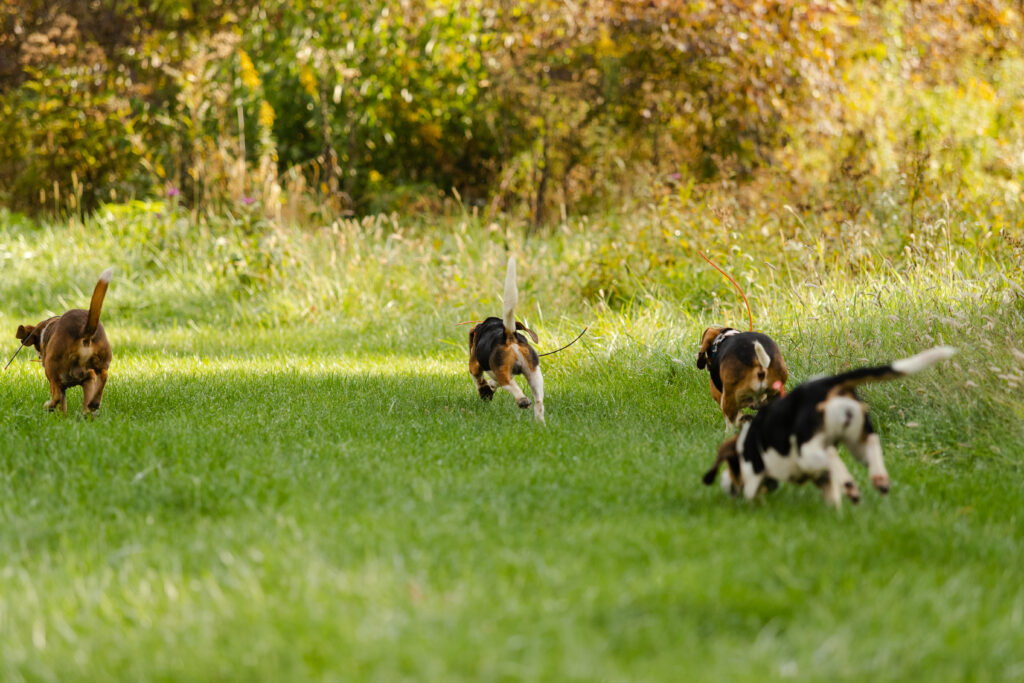
Some hunters prefer to let the dog jump the rabbit, and while I do believe that your beagle should have enough drive to search out rabbits on their own, you can aid them by kicking brush piles and downed timber. Fallen cedar trees in the East make ideal rabbit cover, and old, abandoned barns or pastures overgrown with weeds are almost certain to hold rabbits.
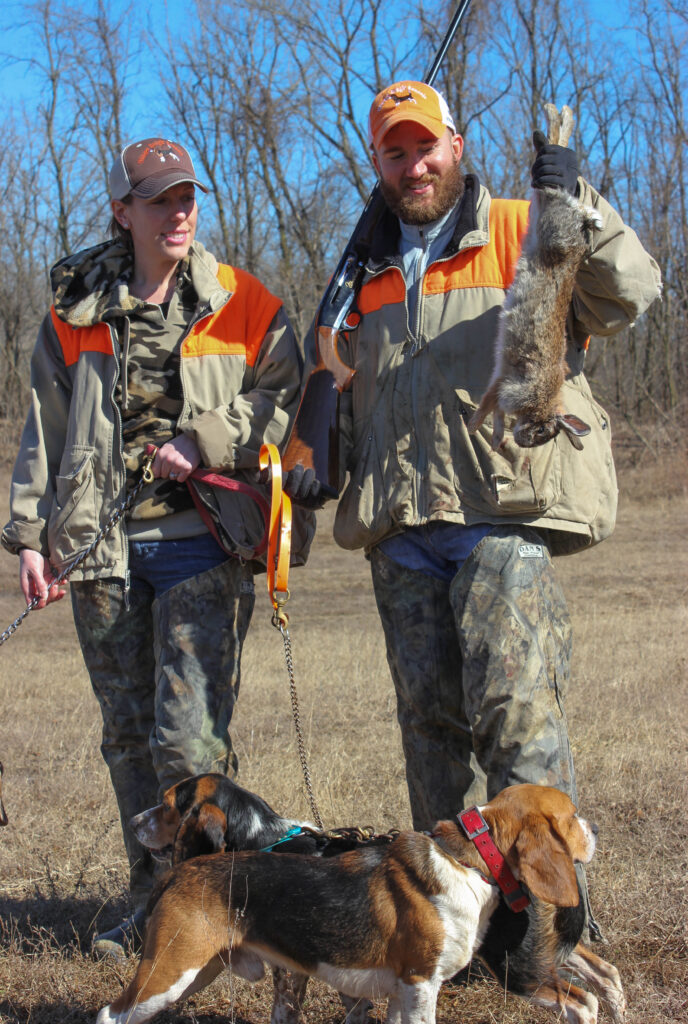
Hunting rabbits with hounds can be done solo with a single dog, but I much prefer hunting with a few friends and a pack of hounds. UKC Hunting Beagle events have four dogs in a cast (unless uneven numbers dictate otherwise) and I think that’s about the perfect size for a beagle pack. Beagling is also a great sport for kids since they do not have to be quiet, and, except for times when the hunters are trying to cut off the rabbit and get a shot, young hunters don’t have to stand still or be quiet. They also do not need to bring along a gun to enjoy the sport, and anyone with any level of hunting experience can enjoy listening to the hounds work.
I’ve been fortunate enough to hunt on four continents for a variety of game, but I still enjoy running rabbits with beagles and hope to continue in the sport as long as I am able. Following a pack of beagles is great fun, but even if you just have one dog you’ll still enjoy hours in the field and find plenty of places to hunt. Be forewarned, though, that beagles have a special charm that might prompt you to start building your own beagle pack.