Hypothyroidism In Dogs

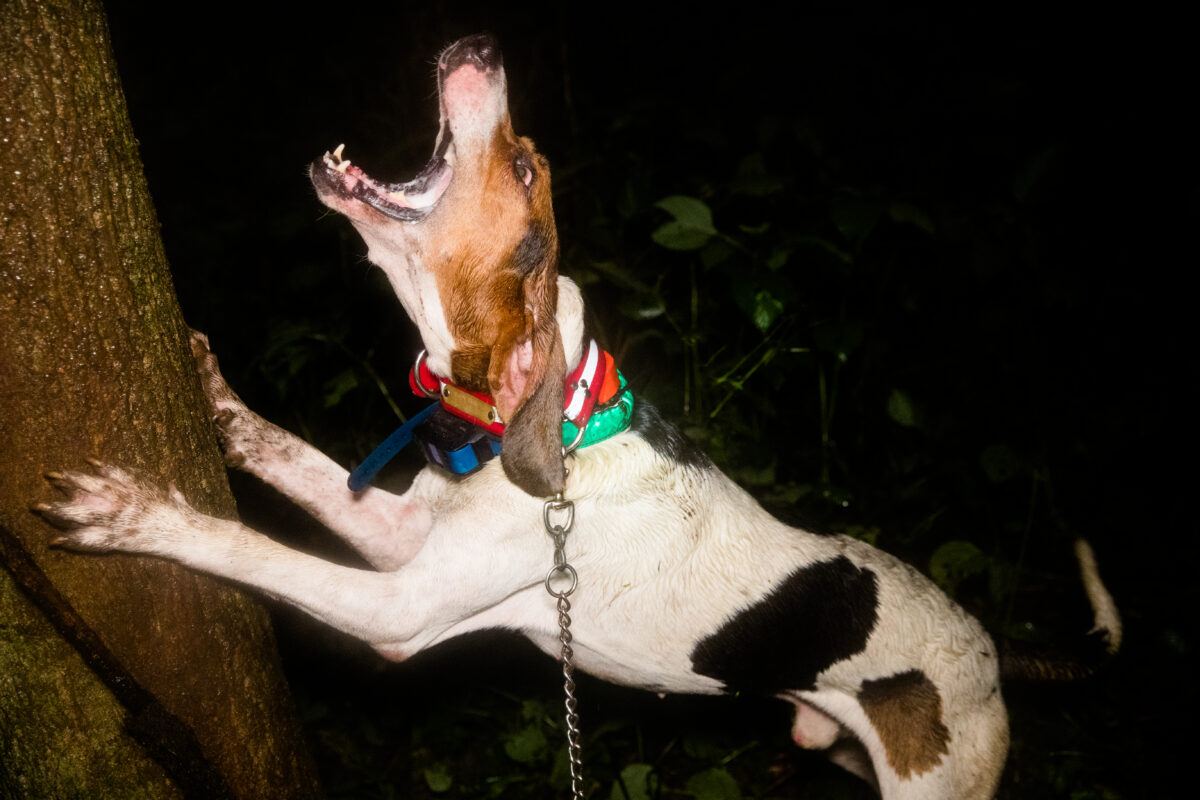
If you notice your dog has lost some of its drive and desire to hunt, the culprit may be hypothyroidism. Here’s a look at symptoms and treatment options for this common canine disorder.
By Brad Fitzpatrick
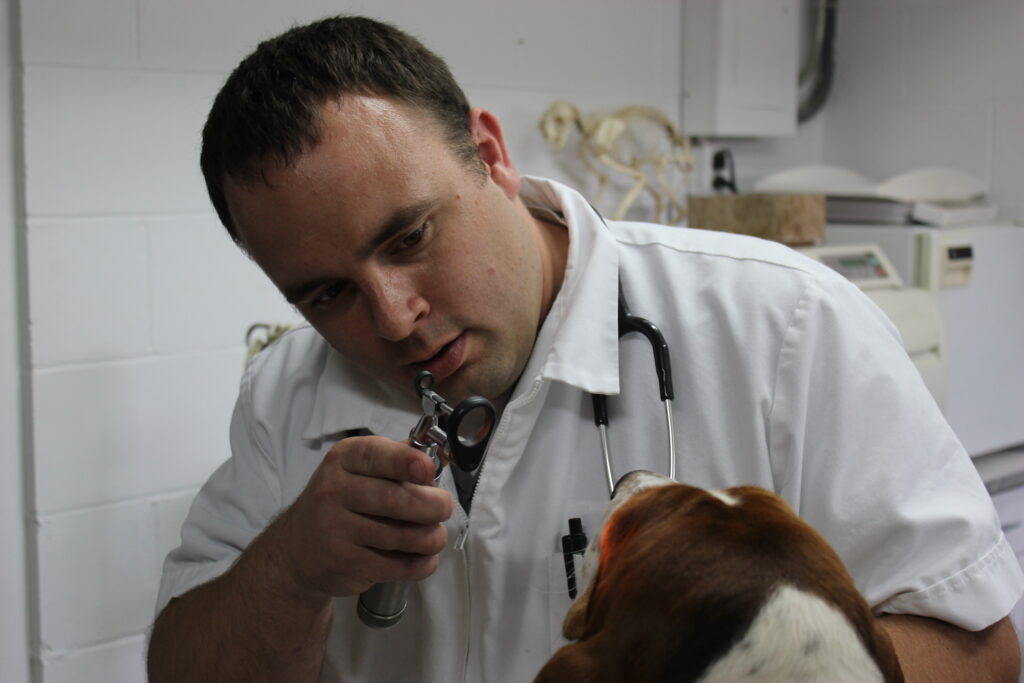
Dr. Mark Hayes owns and operates the Mount Orab Veterinary Clinic in southern Ohio. Since the clinic is located in the heartland of competition hound hunting, Dr. Hayes regularly treats coonhounds, and there’s one common condition that he sees often among these dogs—hypothyroidism. “Hypothyroidism seems to be quite common in coonhounds,” Dr. Hayes explained. “I see it quite frequently.”
What is Hypothyroidism?
The thyroid is an endocrine gland located in the dog’s neck near the esophagus and windpipe. Its purpose is to release hormones that regulate metabolism, the process of transferring food into energy for the cells. Though the primary function of the thyroid is to control metabolism through hormone release, the thyroid also affects heart rate, body temperature, mental activity, and a variety of other functions.
Hypothyroidism occurs when the thyroid produces inadequate hormone levels and, as a result, a dog suffers from a general decline in metabolic state. Lymphocytic thyroiditis is the most common cause of hypothyroidism in dogs. It’s an immune disorder which results when the dog’s own immune system begins attacking the thyroid as it would a virus or bacteria. According to current research, hypothyroidism in dogs may have a hereditary component, so it could be that genetics play a role. Dogs with the condition tend to pass the potential for hypothyroidism to their offspring.
Hypothyroidism shouldn’t be confused with hyperthyroidism, a condition where the dog’s thyroid gland produces an excess of metabolic hormones. The most common cause of hyperthyroidism is a malignant tumor of the thyroid, and the resulting symptoms—weight loss, increased appetite, excessive thirst and urination—differ from the symptoms of hypothyroidism.
Identifying the Symptoms of Hypothyroidism
Certain dog breeds have a well-documented propensity for developing hypothyroidism, and that list includes dogs not traditionally used for hunting like Doberman pinschers, boxers, and Alaskan malamutes, but several hunting dog breeds appear to be impacted by the disease as well. In particular, beagles, English setters, and retrievers are all listed as breeds with a high occurrence of hypothyroidism. But one major study lists Treeing Walker coonhounds among the top 20 breeds at risk for the disease.
“I treat hypothyroidism in coonhounds very often,” said Dr. Hayes. “Usually, the symptoms are the same. The owner or handler tells me that the dog seems more lethargic. Oftentimes they start hunting hard but they don’t tree as hard.”
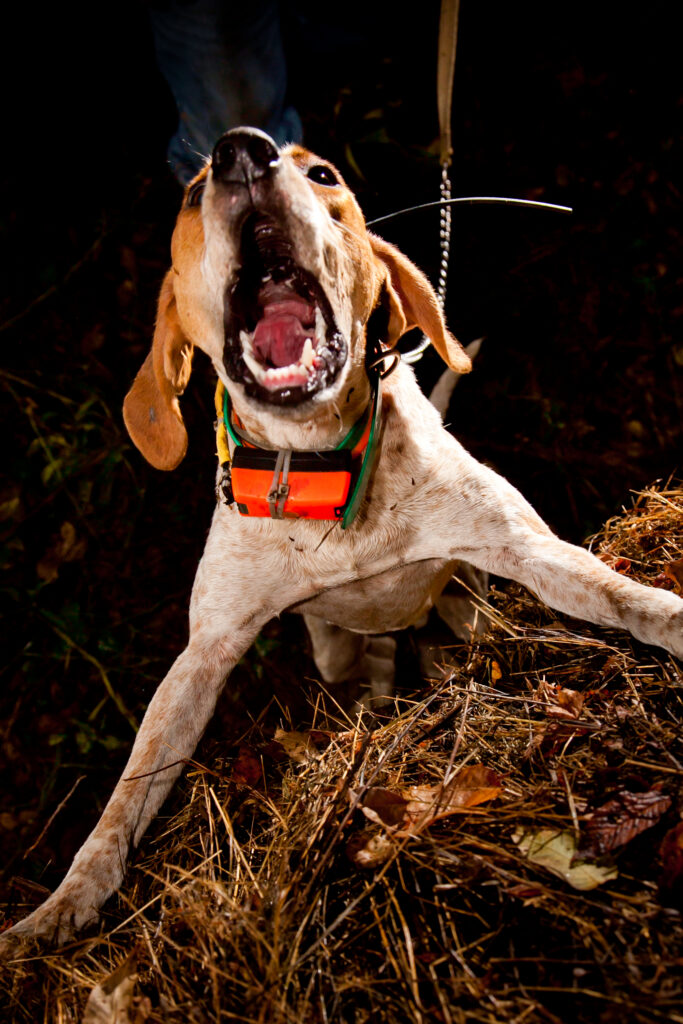
Dr. Hayes added that dogs suddenly not treeing hard seems to be one of the telltale signs of hypothyroidism. When a dog that has treed hard since its early training days suddenly seems disinterested and tired, he says that there is often some condition that is causing that lack of intensity. It may be hypothyroidism, or it may be something else entirely.
“When a dog comes in with signs of hypothyroidism I always start with a test for tick-borne illnesses,” Dr. Hayes mentioned. “Sometimes what appears to be hypothyroidism can be another condition. It may be Lyme disease or another tick-borne disease, or it may be some other illness.”
This is why even when the condition suggests hypothyroidism you should always be certain that your veterinarian checks to be certain that the dog’s low energy level and lack of drive is not caused by some other type of infection. Assuming that a hunting dog has hypothyroidism without testing, and, just as importantly, excluding other conditions as the cause of the symptoms can result in a misdiagnosis and failure to treat the condition that is negatively impacting your dog’s health and performance.
Lethargy and a loss of drive are the most common symptoms of hypothyroidism, but they are not the only signs that something may be wrong with the dog. Dr. Hayes shared that dogs often gain weight without a change in diet. He says that hypothyroidism can also have impacts on the skin and hair, and poor coat condition or even balding can result from the condition as well, so it’s important to keep watch over your dog’s fur. Hypothyroidism can also cause increased sensitivity to cold, which is particularly problematic for coonhounds since they are often exposed to the elements for long periods of time at night.
Lack of drive, poor skin condition, weight gain, and cold sensitivity are the primary symptoms of hypothyroidism, but many other conditions can cause similar symptoms. Dr. Hayes encouraged that any time you recognize a change in your dog’s behavior it’s a good idea to have them checked by a veterinarian.
Treatment for Hypothyroidism
Once Dr. Hayes rules out other diseases and blood tests demonstrate that your dog is suffering from hypothyroidism, he typically prescribes Levothyroxine. Levothyroxine is a synthetic thyroid hormone and Dr. Hayes said the dog generally needs to take the medicine for the rest of its life. However, he warns dog owners that it is very important to conduct follow-up blood tests weeks after the medication begins to determine if the dosage is correct.
“I generally tell clients to come to the clinic and we run blood tests to determine whether the dosage is correct,” he added. “It’s important to make certain that the dosage is correct, so that follow-up visit is very important.” Though Levothyroxine will be required for the remainder of the dog’s life, Dr. Hayes suggests that it is a relatively inexpensive medication compared to many others.
Though hypothyroidism is a lifelong condition, Dr. Hayes says that most dogs have good outcomes with proper medication and dosage. “You’ll oftentimes see the dog’s hunting drive return,” he asserted. “In many cases, we see dogs that return to their pre-diagnosis performance.”
Hypothyroidism can occur at any stage in life, but research suggests that it’s most common after dogs reach six or seven years of age. Many hunters mistake the disease the first stages of old age, but that is not necessarily true. Since there is a genetic component, it’s also a good idea to find out from your breeder if the dogs in that particular bloodline have any history of the disease. This may not always provide a concrete answer as to whether your dog will develop hypothyroidism since it could impact dogs within a bloodline but not their littermates or offspring, and it’s also possible the sire and dam of your dog suffered from the disease but were not diagnosed by a veterinarian.
Monitoring Performance
Dr. Hayes treats a lot of hunting dogs of many breeds, but his experience with competition coonhounds indicates to him that hypothyroidism is a common problem with the various coonhound breeds. However, he advocates that routine assessment is important to identify health issues with dogs of any breed.
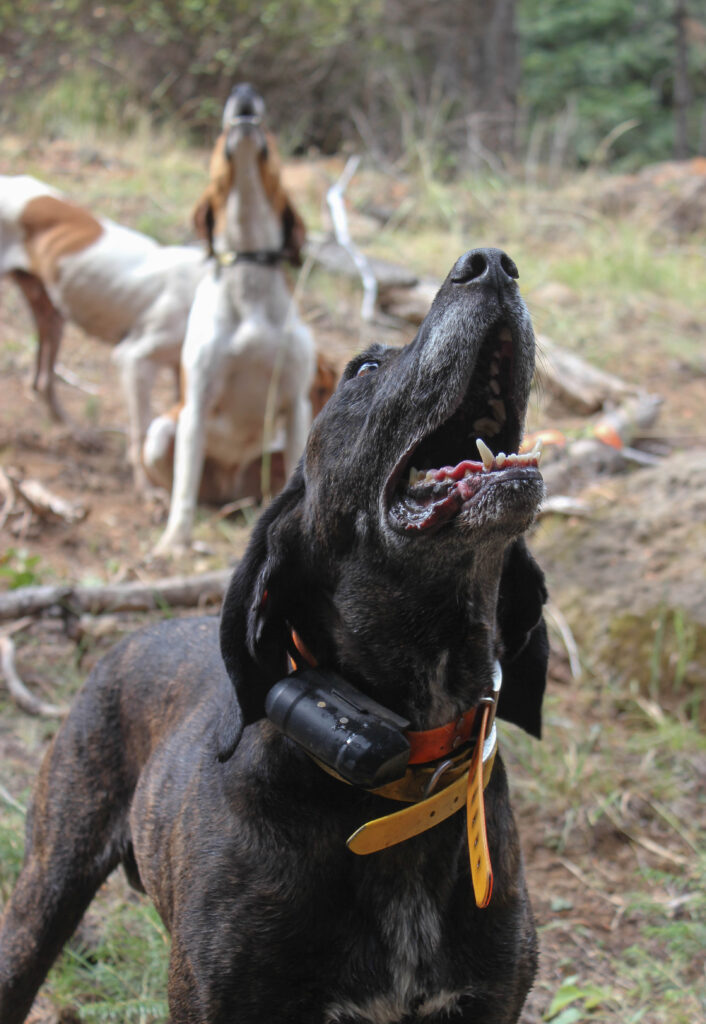
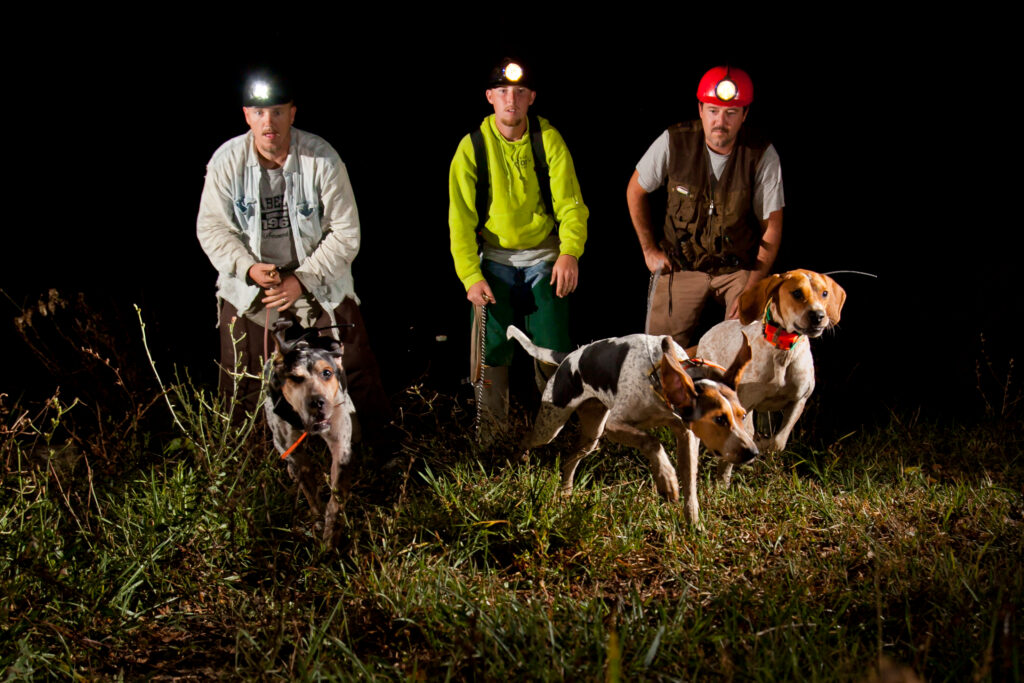
“Competition hunters generally run their dogs quite often, and they also seem to be in-tune with how the dog performs,” added Dr. Hayes. “If you hunt four or five nights a week, you’ll likely see these problems develop, but every hunting dog owner needs to pay careful attention to how their dog performs. It allows owners to recognize problems early, and they are also more in-tune with when the problem started and additional symptoms.”
Routine vaccinations for diseases like Lyme can help, but he says it’s important to take inventory of your dogs regularly. Sudden weight loss or weight gain, skin issues, lethargy, and other symptoms hint that there’s a problem that needs to be addressed.
“Hunting dog breeds like coonhounds usually have a lot of heart and drive, and they oftentimes want to hunt even when there’s a problem,” Dr. Hayes mentioned. “Obviously, dogs can’t talk to us, and that’s why it’s so important for owners and handlers to recognize and address health problems. In some cases, like hypothyroidism, we can typically treat the disease, but that requires owners recognizing the problem and scheduling an appointment with their veterinarian.”