What’s Behind the Non-Toxic Ammunition Trend?

Words & Images by Josh Tatman
Dating back to almost to the invention of guns, lead was the preferred material for both warfare and hunting projectiles. Because lead is relatively cheap, dense, and easy to mold, it remained the mainstay choice for bullets and shot into the 20th century, despite widespread elimination of lead from other uses due to its toxicity.
In 1991, the U.S. Fish and Wildlife Service (USFWS) established a nationwide ban on lead ammunition for waterfowl hunting. This change was a response to evidence that many waterfowl were dying after ingesting lead pellets. Location-specific lead shot bans gradually increased starting in the early 1970s, but when the ban went nationwide for waterfowl hunting, it accelerated the demand for alternative ammunition. Recently, non-toxic shot has also gained popularity amongst upland bird and small game shooters and big game rifle hunters. Recently, non-toxic shot has also gained popularity amongst upland bird and small game shooters and big game rifle hunters.
A Slow Cultural Shift
As a community, hunters are often fond of tradition and somewhat resistant to change. Early efforts to eliminate lead from duck blinds and goose fields met with outcry from some, and even lawsuits from others against the USFWS. A generation later, some still grumble when required to use lead alternatives.
However, more hunters are shifting toward non-toxic ammunition use. Nathan Hough is the Community Outreach Coordinator for Sporting Lead Free, a non-profit that educates on the benefits of choosing non-lead options. He notes, “There is a large influx of new hunters that are inspired to provide clean meat to their friends and family.”
When a lead bullet strikes an animal, it mushrooms in order to produce a quick, clean kill. It also fragments, with hundreds of tiny particles spreading through the meat far away from the wound channel. While shotgun pellets are less likely to fragment, it is common for the shot to go undetected and remain in the meat during cleaning, storage, and cooking. It is hard to argue that hunting provides healthy, lean meat while toxic heavy metal leaches through those carefully prepared packages in the freezer.
Today’s hunters are also concerned about the health of the wildlife community as a whole. Hough says, “There is an evolving hunting ethic in both our upland and big-game communities toward a more conservation-minded focus.” Awareness has spread that many raptors die from eating lead fragments hidden in the gut piles and carcasses left by rifle hunters. To a lesser degree, wounded game birds and small mammals also present a risk to iconic species like golden eagles and California condors.
In popular hunting areas, all the lead shot fired into the air comes down somewhere, and that somewhere might be where pheasants and quail pick at pebbles. Just like large raptors, game birds that ingest lead shot with their digestive grit are at high risk of dying. This problem is most concerning at high-traffic hunting areas, where accumulating lead can also stunt aquatic life in streams and reduce soil fertility.
What Can We Use Instead of Lead?
In view of these impacts, why are hunters still choosing lead at all? Nathan Hough thinks there are multiple barriers. “One of the biggest hurdles in the upland space is the price and availability of premium products like bismuth and tungsten shot.” He says that hunters also need to change their load choices, chokes, and shot sizes to achieve good results in the field. Big game hunters might only fire a few shots all hunting season, but waterfowl, upland, and small game hunters can fire dozens, even hundreds of shots. This makes financially accessible lead alternatives important for hunters interested in switching.
For shotgunners, the cheapest and widest-available non-toxic ammunition is steel. Steel shot costs about the same as lead, but it has about 50 percent less density. That means steel shot loses velocity faster, limiting its effectiveness at longer distances. Ammunition developers have focused on changing their ballistic recipes to counter this limitation, and to improve corrosion resistance with coated shot and waterproof hulls.
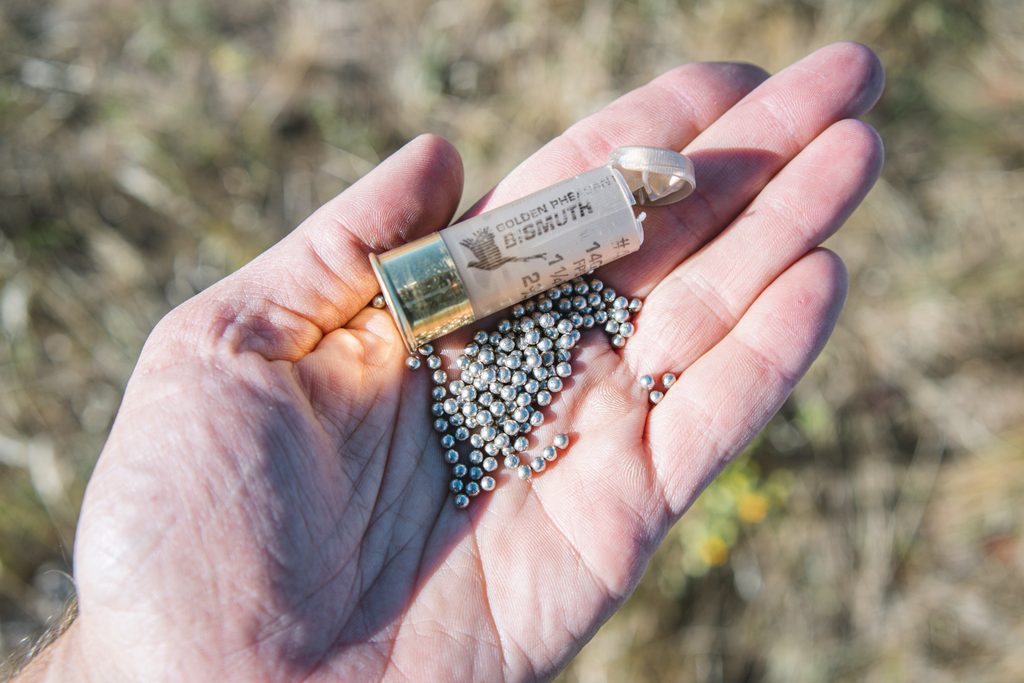
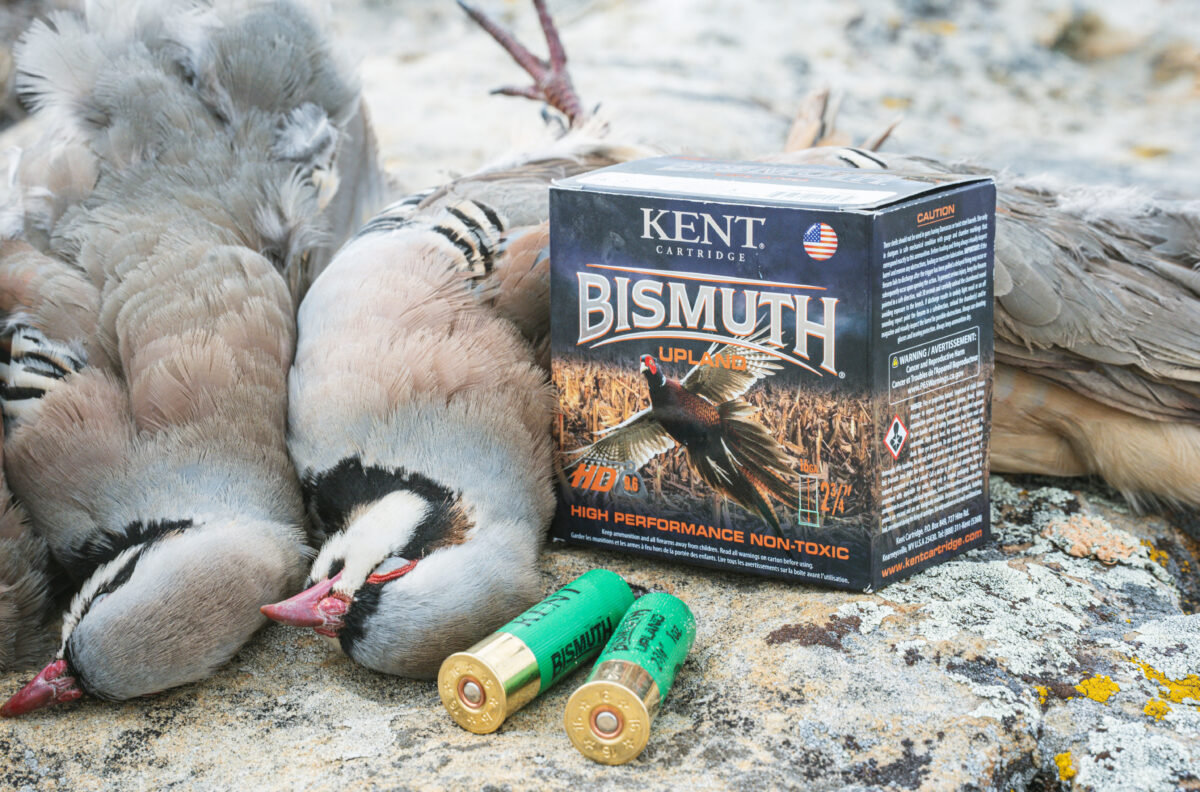
Budget-conscious hunters sometimes overlook bismuth shotshells as they are about 50 percent more expensive than lead, but they are arguably the best balance of cost and non-toxic ballistic performance. Bismuth does have a tendency to fracture, so shotshell manufacturers usually strengthen it in an alloy or use a buffering material in shotshells.
Tungsten shot is almost twice as dense as lead, making it an excellent choice for sustained velocity. For shotgunners, you can choose smaller tungsten pellets with better patterns and still get the knock-down power you need to ethically kill a duck, rabbit, or pheasant. At around five times the cost of lead ammunition, tungsten has mostly gained popularity amongst low-volume shooters like turkey hunters.
All of these options rely on extractive industries. Given the impacts of metal mining, it is also worth considering the front-end supply chain impacts on natural resources and the wildlife that live there. Non-toxic shot is rapidly gaining popularity amongst rifle hunters, with solid and jacketed copper bullets available. Conscientious deer and elk hunters will find a good selection of alternatives. More options are now available for those that utilize a rimfire rifle or handgun while pursuing furred small game with their sporting dog. Solid copper bullets and copper-plated zinc are four times the price of lead, but this is less of a prohibition with low volume shooting.
Will Ammunition Regulations Continue to Change?
Excluding waterfowl hunting, non-toxic ammunition adoption has mostly been voluntary over the last few decades. However, an increasing number of states are mandating non-toxic ammunition use on state wildlife management areas and game production areas. The majority of National Wildlife Refuges and some other federal lands also require lead alternatives. In order for hunters to stay legal in the field, it is important to check current regulations. While most states have been hesitant to completely ban lead ammunition on private lands, some walk-in hunting areas do require non-tox, and California prohibits lead use anywhere.
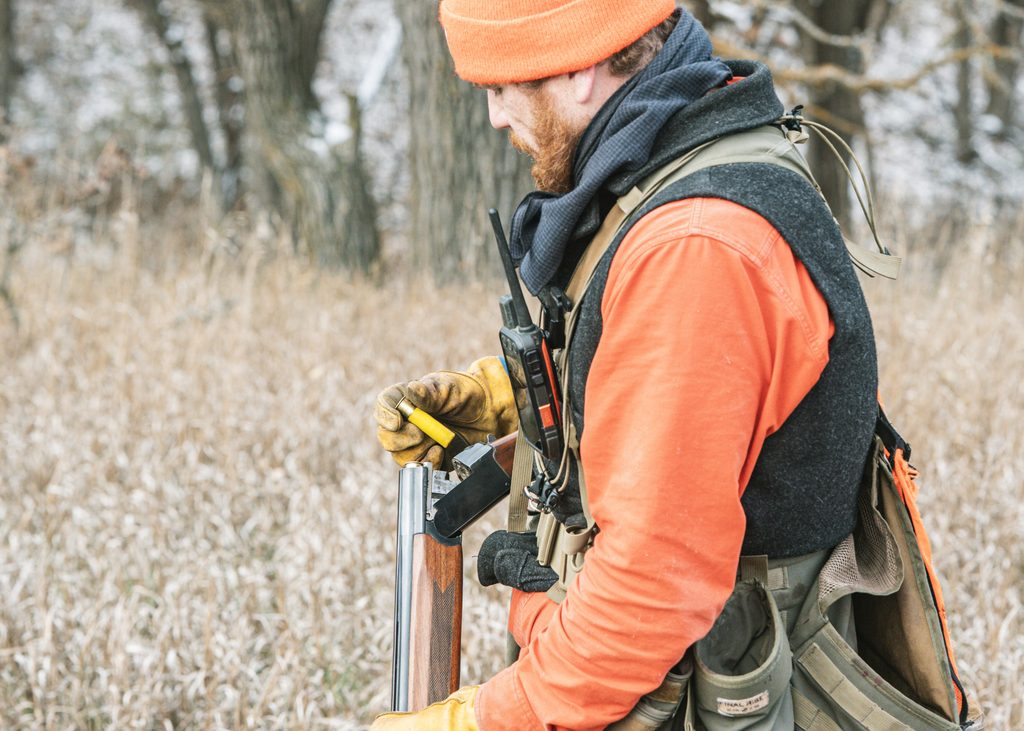
With declining game and non-game wildlife populations in many regions, it is likely that restrictions on lead ammunition use will only increase in the future. Nathan Hough says Sporting Lead Free doesn’t get involved in regulatory changes but focuses on education. “Our hope is that all hunters will choose non-tox for all types of hunting and fishing. It’s a great look for our community to showcase our conservation ethics and our commitment to the environment.”
Ammunition manufacturers have risen to meet the increasing demand for lead alternatives, but there is still plenty of opportunity for product development. To date, most non-toxic shotgun ammo is aimed squarely at the waterfowl market, with higher-velocity shells designed to take down ducks and geese at long range. There are limited options for upland and small game hunters who want smaller shot sizes and lower velocities.
As more hunters choose non-toxic on the shelf of their local sporting goods store, ammunition manufacturers are incentivized to bring new products to the market at lower prices. Lead ammunition will continue to be popular for target and range shooting, but hunters can vote with our dollars, driving demand for high-performance non-toxic ammunition. If we all do our part, a future with healthier wildlife and healthier hunters is within reach.